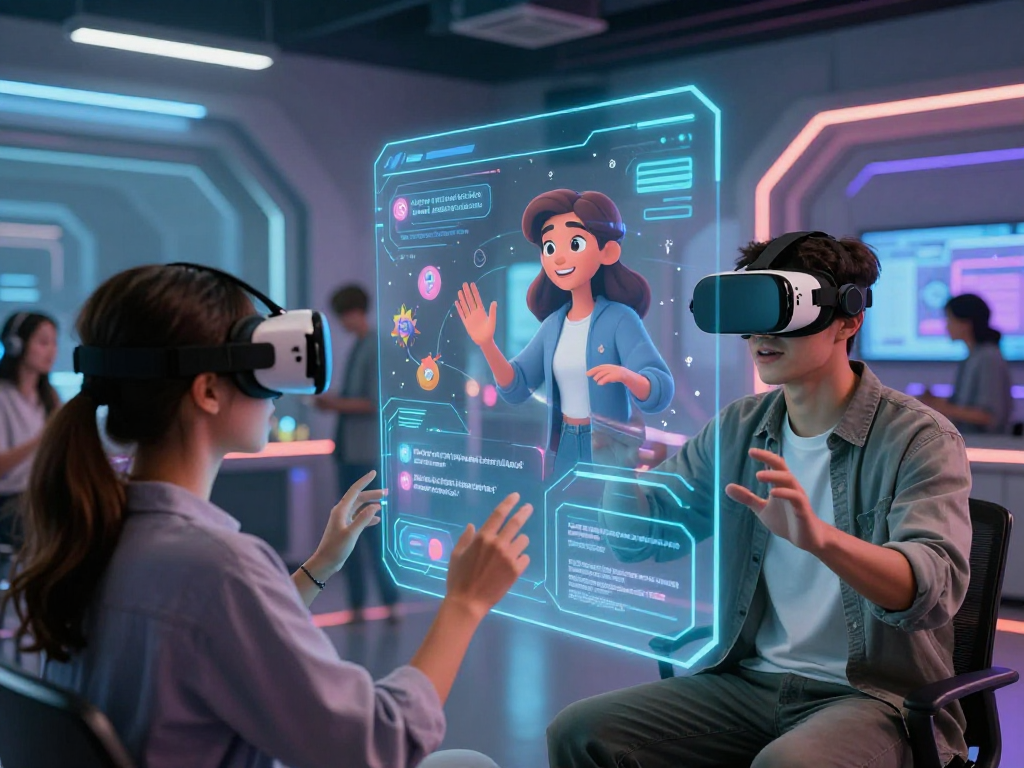
Understanding AI Roleplay: Foundations and Benefits
AI roleplay is rapidly emerging as a transformative tool in various digital landscapes, providing users with immersive experiences that blend creativity with artificial intelligence. By simulating interactions in richly designed virtual environments, AI roleplay not only captivates users but also opens up new avenues for learning, therapy, and entertainment. The effective implementation of AI roleplay can cultivate engaging experiences that resonate with participants on multiple levels. As we delve deeper into this fascinating realm, it's imperative to grasp the foundational concepts and outcomes of AI roleplay. When exploring options, ai roleplay provides comprehensive insights into these dynamic interactions.
What is AI Roleplay and How Does it Work?
AI roleplay refers to the use of artificial intelligence in simulating character interactions and scenarios, allowing users to engage with predefined plots or generate unique experiences. This technology often involves advanced algorithms that can analyze user behavior, allowing for highly responsive and adaptive storytelling. By leveraging natural language processing (NLP) and machine learning, AI roleplay systems can understand user inputs, dynamically altering the narrative based on individual engagement patterns.
In practice, AI roleplay can take various forms, from interactive gaming environments to educational simulations where users can practice real-world skills in a risk-free setting. The integration of voice recognition and visual feedback enhances the realism, making interactions feel authentic and engaging.
Key Benefits of Engaging in AI Roleplay
- Enhanced Creativity: Users can explore limitless narratives, fostering imagination and creative thinking.
- Improved Learning Outcomes: AI roleplay can serve as an educational tool, providing experiential learning opportunities that engage different learning styles.
- Therapeutic Applications: Roleplay can be used in therapeutic settings to help individuals express emotions and practice social skills.
- Customization: AI can adapt scenarios based on user preferences, creating a personalized experience that keeps users returning.
- Community Building: Many platforms facilitate interaction among users, promoting social connections and shared experiences.
Common Misconceptions about AI Roleplay
Despite its growing popularity, several misconceptions about AI roleplay persist. One common myth is that it is solely for gaming purposes; however, AI roleplay extends far beyond entertainment into education, therapy, and professional training. Another misconception is that AI roleplay lacks emotional depth, but advancements in AI sentiment analysis and user interaction tracking have improved emotional intelligence in roleplay scenarios.
The Evolution of AI Roleplay in Digital Spaces
Historical Context: How AI Roleplay Developed Over Time
The concept of roleplay in various forms has existed for centuries, from classic tabletop games to early computer simulations. The infusion of AI into this domain began in earnest in the late 20th century, with the rise of computer-assisted roleplaying games (RPGs) that utilized simple algorithms to enhance storytelling. As technology advanced, so did the sophistication of AI roleplay systems, leading to the immersive experiences we enjoy today.
Current Trends in AI Roleplay Technology
Today, AI roleplay is characterized by advancements in virtual reality (VR) and augmented reality (AR), creating highly immersive environments where users can interact with both characters and settings in real-time. The use of AI-generated content also allows for unique storylines that evolve based on user choices, significantly enhancing replay value. The rise of social media and online communities has further fueled the growth of AI roleplay, leading to collaborative storytelling platforms where users can co-create narratives.
Future Directions: Predictions for AI Roleplay by 2026
By 2026, we anticipate that AI roleplay will become even more mainstream, with applications in diverse fields such as education, healthcare, and marketing. The integration of biometric data to analyze user emotions and reactions could lead to even more tailored experiences. Furthermore, as AI technologies continue to advance, we expect to see improvements in character realism and interactivity, inspiring deeper emotional connections between users and their AI counterparts.
Best Practices for Implementing AI Roleplay in Your Strategy
Step-by-Step Guide to Designing AI Roleplay Scenarios
Creating effective AI roleplay scenarios begins with understanding your audience and the objectives you aim to achieve. Here’s a simple, structured approach:
- Define Objectives: Identify what you want users to learn or experience.
- Understand Your Audience: Analyze demographic data and user preferences to tailor scenarios.
- Outline Scenarios: Develop plotlines that facilitate user engagement and learning.
- Incorporate Feedback: Use initial testing to gather user feedback and refine the scenarios accordingly.
- Iterate: Continually update scenarios based on user interaction data and technological advancements.
Measuring Engagement and Effectiveness in AI Roleplay
To assess the success of AI roleplay initiatives, it is crucial to establish clear metrics of engagement. Key performance indicators (KPIs) might include user retention rates, session duration, and qualitative feedback through user surveys. Analytics tools can track interactions and allow for adjustments to improve user experience further.
Real-World Case Studies of Successful AI Roleplay Applications
Numerous organizations have successfully implemented AI roleplay to enhance their objectives:
- Education: A leading university utilized AI roleplay in medical training, allowing students to practice patient interactions, resulting in improved communication skills.
- Therapy: Mental health professionals have employed AI roleplay as a tool for patients to explore thoughts and feelings in a controlled environment, leading to better therapy outcomes.
- Corporate Training: Companies have integrated AI roleplay in employee training programs, enhancing scenario-based learning that reflects real-life challenges.
Overcoming Challenges in AI Roleplay Implementation
Common Obstacles in Creating Engaging AI Roleplay
While the potential of AI roleplay is vast, several challenges can impede successful implementation. One of the frequent hurdles is ensuring that AI interactions feel genuine and responsive. If users sense a lack of authenticity, they may disengage. Additionally, technical limitations can restrict the complexity of scenarios and user interactions.
Effective Solutions for Enhancing User Experience
To address these challenges, consider implementing continuous user testing to refine the interactions and incorporating diverse narratives that keep content fresh. Regular updates and algorithm improvements can also enhance responsiveness and engagement.
Expert Insights on Maintaining Engagement in AI Roleplay
Experts suggest that incorporating user-generated content can significantly boost engagement, creating a sense of ownership among participants. Moreover, adopting gamification elements such as rewards, challenges, and leaderboards can further motivate users to participate actively in AI roleplay activities.
The Future of AI Roleplay: Trends and Innovations
Emerging Technologies Impacting AI Roleplay
The landscape of AI roleplay is set to be reshaped by several emerging technologies. The expansion of machine learning algorithms will enhance the adaptability of AI scenarios, while advancements in hardware will allow for more immersive experiences through better VR and AR systems. Technologies like 5G will also facilitate seamless interactions in real-time, making AI roleplay more accessible and engaging for users.
Anticipated Changes in User Expectations by 2026
As users become more familiar with AI technologies, their expectations for realism and interactivity will undoubtedly rise. By 2026, users may demand more personalized experiences, where AI characters react in highly nuanced ways based on previous interactions. Furthermore, ethical considerations surrounding data privacy and AI behavior will shape how companies develop and implement roleplay scenarios.
Preparing for the Next Wave of AI Roleplay Experiences
Organizations interested in harnessing AI roleplay must stay ahead of trends by investing in research and development. Collaboration with AI specialists, along with active community engagement, can drive innovation in creating compelling roleplay experiences. Emphasizing user feedback and technological advancements will be critical to staying relevant in this rapidly evolving field.
What are the main applications of AI roleplay?
AI roleplay can be effectively utilized in various sectors, including education, healthcare, entertainment, and corporate training. Each application leverages interactive storytelling to meet unique goals, whether that's improving learning outcomes, enhancing patient care, or providing engaging entertainment experiences.
How can I improve engagement in my AI roleplay sessions?
Improving engagement in AI roleplay can be achieved by personalizing experiences, incorporating user-generated content, and utilizing gamification strategies. Continuous iteration based on user feedback is essential to keep content relevant and exciting.
What tools are best for creating AI roleplay experiences?
Tools for developing AI roleplay experiences vary based on the complexity of the project. Popular options include game development engines like Unity and Unreal Engine, which support immersive environments, and platforms like Twine for simpler narrative-driven scenarios.
Can AI roleplay be used for educational purposes?
Absolutely! AI roleplay is increasingly used in educational settings to enhance active learning, allowing students to engage with material in a meaningful way. It provides an experiential learning environment where theoretical knowledge can be practically applied.
How will AI roleplay evolve in the next few years?
The evolution of AI roleplay will likely focus on integrating more advanced AI technologies, making interactions seamless and highly personalized. With growing user expectations, scenarios will need to adapt dynamically to maintain engagement and relevance.