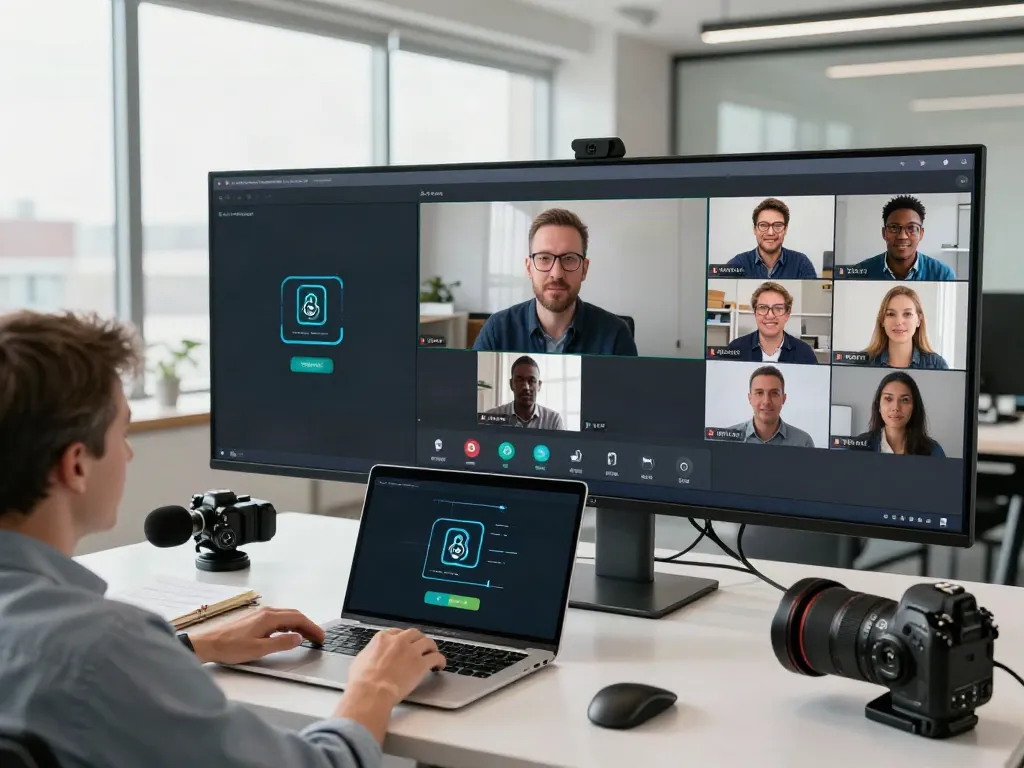
Understanding Deepfake Technology
As our digital landscape evolves, the emergence of sophisticated technology such as deepfakes poses significant challenges and risks, particularly in online communications. Deepfakes utilize artificial intelligence to create highly realistic audio and video content, manipulating how we perceive reality. This technology can be exploited in various harmful ways, especially in the context of online video calls. Understanding how deepfakes work, their potential pitfalls, and protective measures is critical for individuals and organizations alike.
What are Deepfakes and How Do They Work?
Deepfakes are synthetic media created by leveraging deep learning techniques, notably Generative Adversarial Networks (GANs). These networks consist of two components: a generator that creates fakes and a discriminator that evaluates them against real content. Over time, these models learn to produce increasingly convincing imitations, often indistinguishable from actual video feeds. The implications of this technology extend beyond entertainment, entering a realm where trust in visual communications is increasingly challenged.
The Evolution of Deepfake Technology
Initially emerging as a novelty within digital art and memes, deepfake technology has rapidly advanced. What began as simple face-swapping applications has evolved into complex systems capable of real-time video manipulation. By 2026, advancements in computing power and AI algorithms have made these tools accessible to a broader audience, including scammers and malicious actors looking to exploit unsuspecting individuals during online meetings.
Common Myths About Deepfakes
Despite the growing concerns surrounding deepfakes, several misconceptions persist. One prevalent myth is that deepfakes are limited to celebrity impersonations or entertainment. In reality, these technologies pose significant threats in highly sensitive environments, such as corporate settings, where identity verification is crucial. Addressing these myths is essential for understanding the full scope of risks associated with deepfake technology.
Risks of Deepfake in Online Communication
The rise of Deepfake protected Online Video Calls highlights the urgent need to address cybersecurity risks associated with virtual meetings. Improperly secured video communications can lead to severe consequences, including identity theft and financial fraud.
Identifying Risks in Virtual Meetings
In virtual meetings, the inability to verify a participant's identity can lead to unauthorized access to sensitive information. Scammers employing deepfake technology can impersonate trusted individuals, posing as executives during crucial discussions. The difficulty in distinguishing between the real and the fabricated can result in costly blunders for businesses. Recognizing these risks is vital for developing effective countermeasures.
Case Studies of Deepfake Scams
Several high-profile cases have illustrated the dangers of deepfake technology in online communication. For instance, a prominent financial institution fell victim to a scam involving a deepfake video call that impersonated its CEO. The fraudsters managed to authorize a series of transfers, costing the company millions before the deception was uncovered. Such cases underscore the need for robust security measures in virtual interactions.
Real-World Implications for Businesses and Individuals
The implications of deepfake technology extend beyond financial losses. Businesses risk damage to their reputation and loss of customer trust, while individuals may face harassment or identity theft. It’s crucial for both entities to be aware of potential vulnerabilities and the need for enhanced security protocols when engaging in online communications.
Protecting Yourself During Online Video Calls
Implementing comprehensive security measures can significantly mitigate the risks associated with deepfakes during online video calls. Awareness and preparation are key to safeguarding both personal and organizational interests.
Best Practices for Secure Video Communication
- Verification Techniques: Always verify the identity of participants through multiple channels before divulging sensitive information.
- Use Secure Platforms: Opt for video calling platforms that incorporate end-to-end encryption and advanced identity verification features.
- Stay Informed: Keep abreast of the latest developments in deepfake technology and adapt security measures accordingly.
Using Multi-Factor Authentication Effectively
Multi-factor authentication (MFA) adds an additional layer of security to your online communications. By requiring a second form of verification, such as a code sent to your mobile device, you can ensure that even if a deepfake impersonates your appearance, they cannot easily gain access to your accounts. Implementing MFA across all platforms, especially those used for video conferencing, can significantly reduce the potential for unauthorized access.
Implementing Safe Words and Identity Verification
Adopting a system of safe words or phrases can provide an additional layer of security during video calls. By establishing these identifiers with trusted contacts, you can verify the authenticity of the person you are communicating with, adding a layer of protection against impersonation attempts. Utilizing identity verification tools that assess the speaker's authenticity can also aid in differentiating genuine participants from potential impostors.
Innovative Technologies in Deepfake Protection
With the increasing sophistication of deepfake technologies, innovations in protective systems are essential for maintaining secure online communications. As understanding grows, so does the development of tools designed to detect and mitigate the risks posed by deepfakes.
Latest Tools for Detecting Deepfakes
Numerous tools have emerged to help identify deepfake content, utilizing various techniques including digital watermarking and machine learning algorithms. These technologies assess inconsistencies in video feeds, flagging potential deepfakes for further scrutiny. Investing in these detection tools can protect both individuals and organizations from falling prey to sophisticated scams.
Role of AI in Enhancing Video Call Security
AI plays a crucial role in enhancing the security of video calls by enabling real-time monitoring and analysis of participants' behaviors. Advanced algorithms can detect anomalies in speech patterns and facial movements, alerting participants to potential deepfakes. As AI technology continues to evolve, its integration into video communication systems will become increasingly vital for maintaining trust in virtual interactions.
Future Trends in Deepfake Protection Technologies
Looking towards the future, we can expect to see significant advancements in deepfake protection technologies. With ongoing research and development, more sophisticated detection systems will likely emerge, equipped to identify even the most subtle manipulations. Moreover, as awareness grows, regulatory frameworks may begin to be established to govern the use of deepfake technology, further enhancing protection measures.
Looking Ahead: The Future of Online Video Communication
The impact of deepfake technology on online communication will continue to evolve. By anticipating potential threats and adapting accordingly, individuals and businesses can better safeguard themselves against deception.
Predictions for Deepfake Technology in 2026
As we move deeper into 2026, it is anticipated that the prevalence of deepfake technology will increase, particularly among malicious actors. However, this will also spur advancements in detection and prevention technologies, leading to a cat-and-mouse dynamic in cybersecurity. Organizations must remain vigilant, constantly updating their security protocols to outpace emerging threats.
How Businesses Can Adapt to Emerging Threats
To mitigate the risks posed by deepfake technology, businesses must prioritize training and education for their employees. By fostering a culture of awareness regarding deepfake threats, organizations can ensure their teams are prepared to detect and respond to potential scams. Regularly updating cybersecurity measures and employing the latest detection technologies is also critical in staying ahead of threats.
The Role of Regulations in Protecting Consumers
As the dangers associated with deepfakes become increasingly evident, regulatory frameworks will likely emerge to protect consumers. These regulations may govern the use of deepfake technology, imposing strict penalties for malicious use. This evolving landscape will require businesses to adapt their practices to comply with new legal standards, further emphasizing the importance of security in online communications.
What is a deepfake protected online video call?
A deepfake protected online video call refers to a video communication system that incorporates advanced security measures to detect and prevent deepfake manipulations. Such systems leverage AI and real-time monitoring to ensure the authenticity of participants, safeguarding against impersonation and fraud.
How can I ensure my video calls are secure from deepfakes?
To secure your video calls from deepfakes, employ multi-factor authentication, use platforms with robust security features, and establish safe words for identity verification. Staying informed about the latest deepfake technologies and detection tools will also contribute to enhanced security.
What technologies help detect deepfakes in real-time?
Technologies that help detect deepfakes in real-time include machine learning algorithms, digital watermarking, and behavioral analysis systems. These tools assess discrepancies in video feeds and flag potential manipulations, providing alerts to participants about possible risks.
Are there legal protections against deepfake-related scams?
While regulations regarding deepfakes are still evolving, various legal frameworks are beginning to address the misuse of this technology. Laws aimed at protecting individuals and businesses from deepfake-related scams are likely to be strengthened as awareness of the issue grows.
What should businesses do to mitigate deepfake risks?
To mitigate deepfake risks, businesses should invest in training programs that educate employees about the dangers posed by deepfakes. Additionally, implementing robust security protocols, utilizing detection technologies, and regularly updating cybersecurity measures will prove vital in protecting against potential threats.