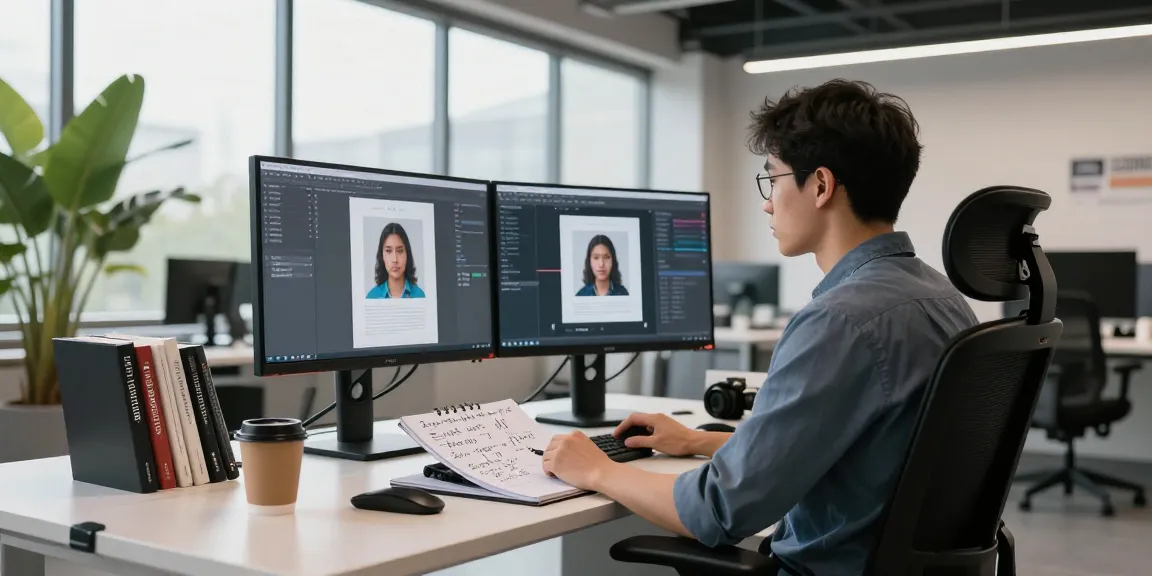
Understanding AI Image Detection Technology
In an era where digital images can be generated with remarkable realism, AI Image Detection has emerged as a crucial technology. This innovative capability allows for the identification and verification of images that are either artificially generated or manipulated. Understanding how this technology works, along with its applications and limitations, is essential for professionals across various industries, especially as we move towards 2026.
What is AI Image Detection?
AI Image Detection refers to the use of artificial intelligence algorithms and machine learning techniques to identify whether an image has been generated or altered by AI systems. With the rise of generative models such as GANs (Generative Adversarial Networks), distinguishing between authentic photographs and AI-generated images has become increasingly challenging. AI Image Detection tools analyze pixel patterns, metadata, and other characteristics to determine an image's origin.
How AI Image Detection Works
The foundational technologies behind AI Image Detection involve complex algorithms that leverage deep learning. These algorithms can process vast amounts of image data to recognize subtle differences between human-taken photos and those created by machines. Typically, the detection process involves:
- Feature Extraction: Algorithms extract key features from images, such as textures, colors, and patterns.
- Model Training: Systems are trained on datasets containing both AI-generated and authentic images to learn distinguishing characteristics.
- Inference: The trained model evaluates new images, predicting whether they are AI-generated or original based on the patterns learned.
Common Applications of AI Image Detection
AI Image Detection has a wide range of applications across various sectors:
- Media and Journalism: Journalists use AI detection to verify the authenticity of images before publication, preventing the spread of misinformation.
- Social Media Platforms: Companies employ AI detection tools to combat fake news and manipulated images shared on their platforms.
- Cybersecurity: Organizations utilize these technologies to protect against misleading or harmful visual content.
- Advertising: Marketers leverage detection tools to ensure that their campaigns use authentic imagery, adhering to ethical standards.
Challenges in AI Image Detection
Limitations of Current Technologies
Despite advancements, AI Image Detection technologies have notable limitations. For one, they may struggle with the rapid evolution of AI generative models. As these models become more sophisticated, the detection algorithms must also evolve to maintain accuracy. Moreover, the potential for false positives—incorrectly identifying an authentic image as AI-generated—remains a significant challenge.
Addressing Concerns About Reliability
Reliability is paramount in AI Image Detection, especially in high-stakes fields like journalism and law enforcement. Users must understand that, while these tools can significantly aid in image verification, they are not foolproof. Ensuring supplementary human oversight is essential to validate the outputs from these AI systems to minimize errors and build trust in their effectiveness.
Myths About AI Image Detection Explained
Several myths surround AI Image Detection that can mislead users:
- Myth 1: AI Image Detectors are 100% accurate. In reality, no AI detection tool can guarantee complete accuracy due to the nuances in image quality and generation methods.
- Myth 2: All AI-generated images can be easily detected. As AI technology progresses, so do the strategies used for generating images, making detection increasingly complicated.
- Myth 3: AI Image Detection is only necessary for large corporations. In fact, individuals, small businesses, and non-profits can all benefit from these technologies in protecting their content and reputation.
Best Practices for Implementing AI Image Detection
Choosing the Right Tools and Software
When selecting AI Image Detection tools, organizations should consider several factors, including:
- Accuracy: Look for tools with proven effectiveness in identifying AI-generated images within your specific context.
- Integration: Ensure the software can seamlessly integrate with your existing systems and workflows.
- Support and Updates: Choose platforms that offer regular updates to keep pace with evolving AI technologies.
Integrating AI Detection into Existing Workflows
Integrating AI Image Detection into daily operations has its hurdles, yet it offers significant advantages. Organizations should foster a culture of awareness and training to equip employees with the skills necessary to utilize these tools effectively. Clear protocols for when and how to deploy AI detection technologies can enhance both effectiveness and user confidence.
Monitoring and Evaluating Performance
Ongoing evaluation of AI Image Detection tools is essential for understanding their impact and making necessary adjustments. Regular performance assessments can help organizations gauge accuracy, response times, and user satisfaction. This data-driven approach ensures that the tools remain aligned with changing needs and technology landscapes.
Real-World Case Studies of AI Image Detection
Success Stories from Various Industries
Across industries, AI Image Detection has yielded compelling success stories:
- News Outlets: A leading news organization implemented AI detection to verify images before publication, significantly reducing instances of misinformation.
- Fashion Industry: A fashion brand used AI detection technology to ensure their advertising materials consisted solely of authentic, non-manipulated imagery.
- Education: Universities have employed AI image detection tools as part of academic integrity protocols, helping to maintain the authenticity of submitted materials.
Lessons Learned from Implementing AI Detection
Organizations have learned valuable lessons from integrating AI Image Detection:
- Investing in ongoing training for staff is crucial for maximizing the effectiveness of AI tools.
- Collaborative approaches, combining AI with human oversight, enhance trust and improve outcomes.
- Regularly updating detection algorithms is necessary to keep pace with advancements in AI-generated content.
Innovations Shaping the Future of AI Image Detection
As technology continues to evolve, several innovations are expected to shape the future of AI Image Detection:
- Enhanced Deep Learning Models: More advanced models that can learn from fewer examples will improve detection accuracy.
- Real-time Detection: The capability to analyze images instantly will become increasingly viable, especially in social media context.
- User-Friendly Interfaces: Simplifying tools for non-technical users will broaden the accessibility of AI detection technologies.
Future Trends in AI Image Detection
Emerging Technologies to Watch in 2026
As we approach 2026, several emerging technologies will likely leave a mark on AI Image Detection:
- Quantum Computing: This could allow for unprecedented processing power, improving detection capabilities substantially.
- Federated Learning: A decentralized approach to training AI models, enhancing privacy and security for sensitive data.
- Augmented Reality (AR) Integration: Combining AI detection with AR can create interactive verification experiences for users.
Potential Future Applications and Developments
Future applications of AI Image Detection could extend to:
- Healthcare: Verifying medical imaging to ensure that visual data used for diagnosis is authentic and reliable.
- Legal Evidence: Supporting the integrity of visual evidence presented in court by validating its authenticity.
- Art and Cultural Heritage: Authenticating artworks and cultural artifacts through advanced image analysis technologies.
Expert Predictions for AI Image Detection Advancements
Experts predict rapid advancements in AI Image Detection technologies:
- Increased collaboration between academia and industry to develop cutting-edge detection algorithms.
- Innovative startups focusing on specialized niches within AI detection, creating tailored solutions for specific industries.
- Broader regulatory frameworks emerging to establish standards for AI-generated content verification, particularly in critical sectors like media and security.
What industries benefit the most from AI Image Detection?
Multiple industries can benefit significantly from AI Image Detection, including:
- Media and Journalism: Enhancing credibility by verifying the authenticity of visual content.
- Advertising: Ensuring that marketing materials are based on genuine imagery.
- Healthcare: Validating medical images for accurate diagnosis and treatment.
- Cybersecurity: Protecting against threats posed by deepfakes and manipulated images.
How can I choose the best AI Image Detection tool?
To choose the best AI Image Detection tool, consider the following:
- Assess the tool's accuracy and performance through reviews and case studies.
- Evaluate integration capabilities with your existing systems.
- Look for ongoing support and updates from the provider to keep the technology up-to-date.
What are the ethical considerations of AI Image Detection?
Ethical considerations around AI Image Detection involve:
- Ensuring transparency about how detection algorithms operate.
- Addressing privacy concerns related to data used for training.
- Developing fair practices to avoid bias in detection outcomes.
Can AI Image Detection be 100% accurate?
No AI Image Detection tool can claim 100% accuracy due to the complexities of generative models and the varying quality of images. Continuous advancements in technology may improve accuracy, but vigilance and supplementing AI with human oversight remain essential.
What role does machine learning play in AI Image Detection?
Machine learning is integral to AI Image Detection, enabling the analysis and classification of images based on learned patterns. By training on diverse datasets, machine learning algorithms can adapt to new styles of image generation, enhancing detection capabilities over time.