Introduction to Flathead Equipment Rental
When it comes to tackling construction projects, landscaping endeavors, or any job requiring heavy machinery, the efficiency and effectiveness of the equipment used can make all the difference. For many contractors and DIY enthusiasts, flathead equipment rental has become a go-to solution. This approach not only alleviates the financial burden associated with purchasing expensive equipment outright but also provides access to the latest technology and tools available in the market.
What is Flathead Equipment Rental?
Flathead equipment rental refers to the service of leasing various types of machinery and tools for specific time frames, ranging from daily to monthly rentals. This service caters to a diverse clientele, including contractors, landscapers, and individual homeowners, providing them with the necessary tools without the hefty price tag of ownership. Equipment rental services play a vital role in enhancing productivity while allowing for flexibility in project management.
Key Benefits for Contractors
Contractors stand to gain significantly from utilizing flathead equipment rental. Here are the crucial benefits:
- Cost-Effectiveness: Renting equipment requires less initial capital investment compared to purchasing, helping contractors allocate funds to other essential project areas.
- Access to Modern Equipment: Rental services stock the latest machinery, ensuring that contractors can leverage cutting-edge technology without the need for continuous upgrades.
- Maintenance and Repair Responsibilities: Rental companies often handle maintenance, which means contractors can focus solely on their work without worrying about potential equipment issues.
- Flexibility: With the ability to choose equipment based on specific project needs, contractors can scale operations more effectively, renting larger or more specialized tools as required.
- Reduced Storage Needs: Equipment rental eliminates the need for large storage spaces, allowing contractors to operate more efficiently.
Common Types of Equipment Available
Flathead equipment rental services offer a vast range of machinery and tools, catering to several industries. Common types include:
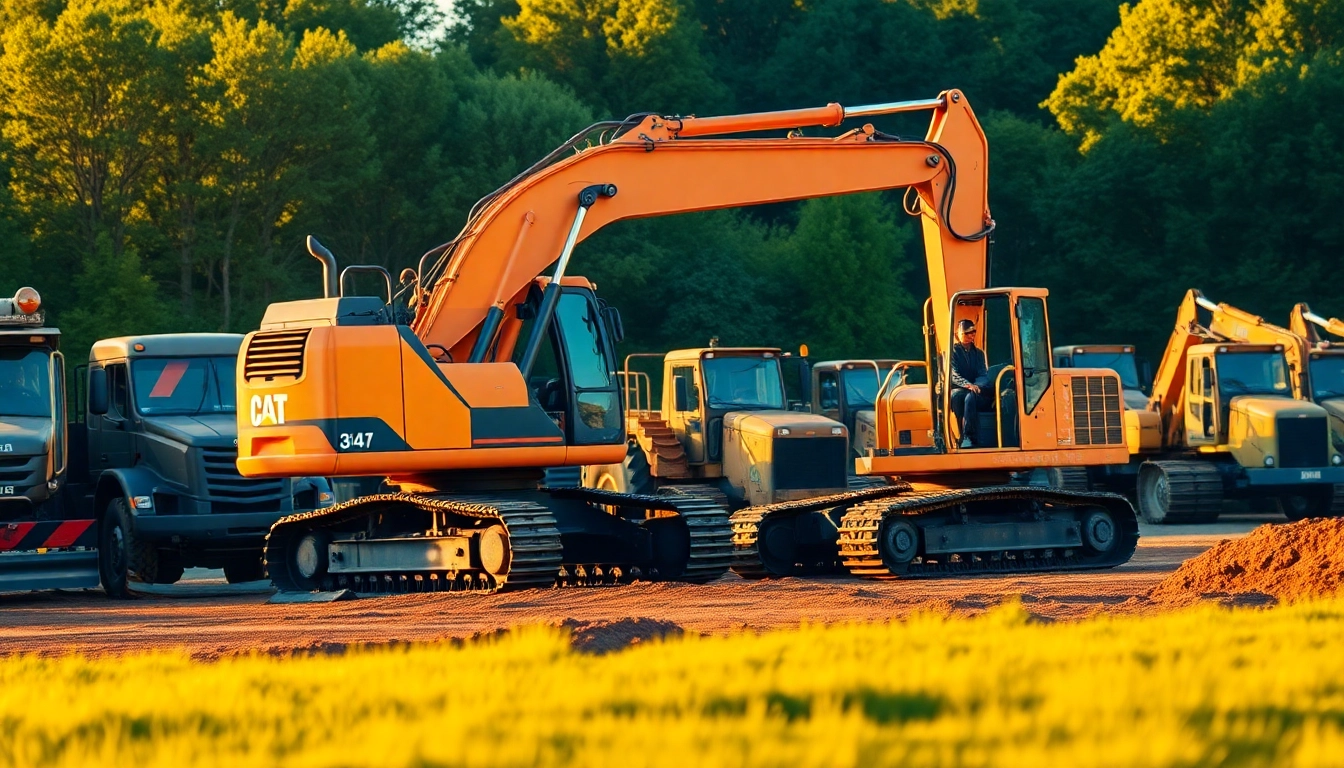
- Earthmoving Equipment: Bulldozers, excavators, and backhoes are essential for construction and excavation projects.
- Lifting Equipment: Cranes, scissor lifts, and fork trucks assist in elevating materials and personnel.
- Power Tools: Saws, drills, and pneumatic tools are vital for detailed work within construction and renovation tasks.
- Landscaping Equipment: Lawn mowers, brush cutters, and chainsaws support gardening and landscape maintenance jobs.
- Generators: Backup power solutions are crucial for ensuring continuous operation, particularly at remote job sites.
How to Choose the Right Equipment
Selecting the right equipment for your project can be a daunting task, especially with a multitude of options available. Here are some key considerations to ensure you make the best choice:
Assessing Project Needs
Begin by evaluating the specific requirements of your project. Consider the scope, timeline, and the types of tasks that need to be completed. Understanding the size of the job, the nature of the work, and the deadlines will help determine which equipment is necessary. For example, a landscaping project might require mowers and chainsaws, while a construction site may need heavy-duty excavators and cranes.
Budget Considerations
Establishing a budget is pivotal in the equipment selection process. Rental costs can vary widely based on the type of equipment, rental duration, and additional charges that may apply. It's essential to balance quality and cost while keeping an eye on potential extra expenses, such as insurance or delivery fees. The goal is to maximize your investment without overspending.
Evaluating Equipment Quality
Quality is non-negotiable when it comes to equipment selection. Always inspect the rental machinery before finalizing your decision. Check for signs of wear and tear, functionality, and compliance with safety standards. Quality equipment not only increases efficiency but also enhances safety protocols on the job site.
Best Practices for Equipment Rental
Understanding Rental Agreements
Regular Equipment Maintenance
Preparing for Equipment Delivery
Safety Protocols and Guidelines
Safety in the workplace is paramount, especially when heavy machinery is involved. Implementing safety protocols can significantly reduce the risk of accidents and enhance operational efficiency. Here are critical safety measures to consider:
Importance of Safety Training
Before operating any rented equipment, ensure that all personnel are adequately trained. Familiarizing the team with the specific usage guidelines, safety features, and emergency procedures can drastically reduce the probability of accidents on site. Providing safety training sessions enhances workforce efficiency and helps maintain compliance with regulatory standards.
Equipment Handling Best Practices
Emergency Procedures on the Job Site
Having clear emergency protocols in place can save lives. Ensure that all workers know the emergency procedures, including how to shut down equipment quickly in case of malfunctions or accidents. Post safety signage prominently around the job site to remind everyone of essential safety measures.
FAQs About Flathead Equipment Rental
What types of equipment can I rent?
You can rent a variety of equipment, including earthmoving machinery, lifting devices, power tools, landscaping equipment, and generators, to name a few.
How do rental rates work?
Rental rates are typically based on the type of equipment, rental duration, and may include additional fees. It's essential to clarify all costs before signing the rental agreement.
Are there any hidden fees in rental agreements?
There can be hidden fees related to insurance, damage waiver, or delivery. Always review the rental agreement carefully to understand all costs involved.
What should I inspect before renting?
Inspect the equipment for signs of wear and tear, functionality, and safety compliance. Ensure all accessories and necessary safety gear are included with the rental.
How can I ensure timely equipment returns?
Schedule your rental period carefully and account for potential delays in the project. Communicate with the rental company regarding return arrangements to avoid additional charges.