Understanding Turnaround Maintenance in Oil Refineries

Definition and Importance of Turnaround Maintenance
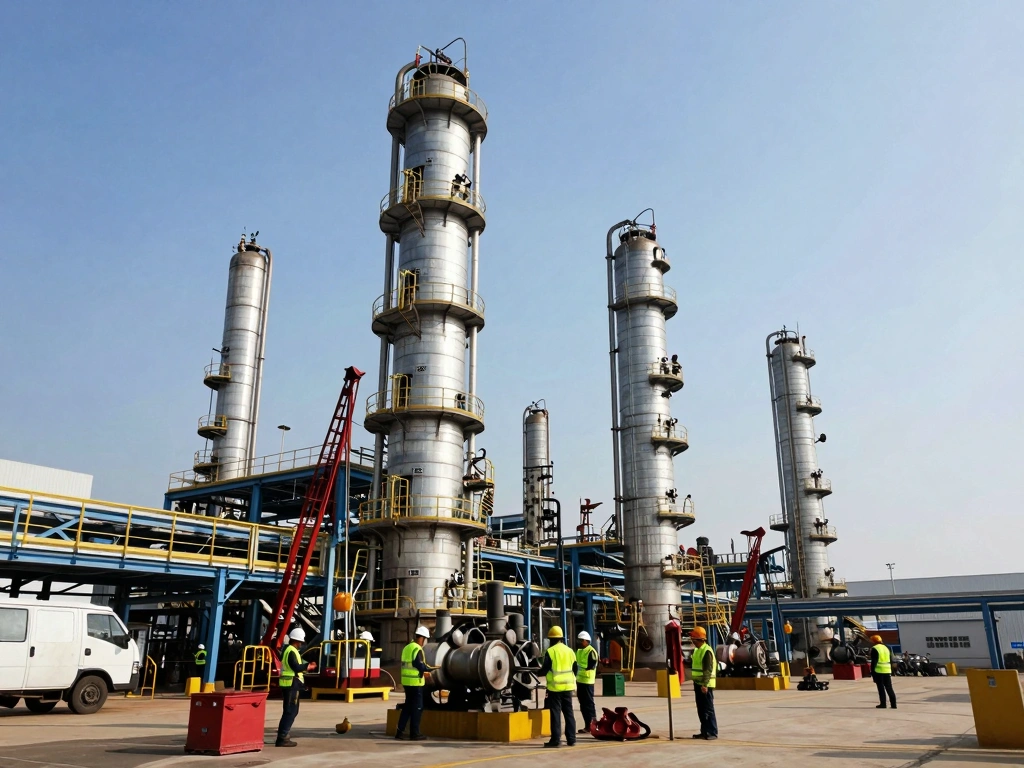
Turnaround maintenance refers to the comprehensive and systematic shutdown of an oil refinery for essential maintenance, inspection, and repair activities. This process is crucial for ensuring operational efficiency, safety, and regulatory compliance. Typically, turnaround maintenance occurs every 3 to 5 years and lasts from a few days to several weeks, depending on the complexity of the tasks involved.
The importance of turnaround maintenance lies in its ability to prevent unplanned outages, extend the life of equipment, and maintain product quality. A well-executed turnaround minimizes production losses and can result in significant cost savings over time. According to industry reports, effective turnaround maintenance can improve overall equipment effectiveness by as much as 30%.
Key Components of a Turnaround Maintenance Strategy
A successful turnaround maintenance strategy encompasses several critical components:
- Planning and Scheduling: This involves creating a detailed timeline that includes every maintenance task, resource allocation, and stakeholder involvement.
- Risk Assessment: Identifying potential risks and developing mitigation strategies to minimize downtime and ensure safety.
- Resource Management: Efficient allocation of human resources, materials, and equipment to ensure that all tasks are completed on schedule.
- Execution Monitoring: Continuous oversight during the execution phase to ensure adherence to plans and timelines.
- Post-Turnaround Evaluation: Analyzing the outcomes of the maintenance activities to identify areas for improvement in future turnarounds.
Common Challenges Faced During Turnaround Maintenance
Despite careful planning, several challenges frequently arise during turnaround maintenance:
- Resource Constraints: Limited availability of skilled labor and materials can lead to scheduling conflicts and delays.
- Weather Conditions: Unpredictable weather can impact outdoor maintenance activities, resulting in extended downtime.
- Complexity of Tasks: The intricate nature of refinery operations means that unanticipated issues may arise, complicating the planned schedule.
- Stakeholder Coordination: Ensuring effective communication and collaboration among various teams, including engineering, operations, and contractors, can be a significant hurdle.
Phases of Turnaround Scheduling
Pre-Turnaround Planning and Preparation
The pre-turnaround phase is foundational for successful maintenance execution. It involves detailed planning, including:
- Scope Definition: Clearly defining all tasks that need to be accomplished during the turnaround, including inspections, repairs, and upgrades.
- Timeline Development: Establishing a realistic timeline that accounts for all activities and potential delays.
- Budgeting: Creating a budget that reflects the expected costs of labor, materials, and any unforeseen contingencies.
- Training: Ensuring that all personnel involved are adequately trained on safety protocols and operational procedures.
Execution Phase: Coordination and Resource Allocation
During the execution phase, effective coordination is critical. This phase includes:
- Daily Briefings: Conducting daily meetings to review progress, address challenges, and adjust plans as necessary.
- Resource Allocation: Deploying the right resources at the right time, including skilled labor, tools, and materials. For example, utilizing modular construction techniques can streamline repairs and reduce on-site labor time.
- Safety Monitoring: Continuous oversight of safety practices to prevent incidents and ensure compliance with health and safety regulations.
Post-Turnaround Review and Continuous Improvement
After the completion of the turnaround, a thorough review is essential:
- Performance Evaluation: Assessing whether the turnaround met its objectives in terms of time, budget, and scope.
- Lessons Learned: Documenting successes and challenges to inform future turnarounds. For instance, if a particular scheduling tool proved effective, it should be retained for future use.
- Feedback Gathering: Engaging all stakeholders to gather insights and feedback on the turnaround process.
Technological Tools for Effective Scheduling
Software Solutions for Turnaround Scheduling
Modern software solutions play a crucial role in enhancing the efficiency of turnaround scheduling. Tools such as SAP PM and IBM Maximo provide integrated platforms for tracking maintenance activities, managing resources, and analyzing performance metrics. These tools enable planners to create detailed schedules and allocate resources effectively.
Data Analytics in Predictive Maintenance
Data analytics is revolutionizing turnaround maintenance by enabling predictive maintenance strategies. By analyzing historical maintenance data and real-time operational metrics, refineries can identify potential failures before they occur, allowing for more proactive scheduling of maintenance activities. For instance, predictive analytics can forecast the need for maintenance based on equipment performance trends, reducing unexpected downtime.
Integration of IoT Devices for Real-Time Monitoring
The integration of Internet of Things (IoT) devices within refineries enhances real-time monitoring capabilities. Sensors can track equipment conditions, providing immediate data on performance and safety. This real-time information helps maintenance teams make informed decisions during turnarounds, optimizing resource use and minimizing delays. For example, using IoT-based vibration analysis on rotating equipment can pinpoint issues that require immediate attention during a turnaround.
Stakeholder Engagement in Turnaround Scheduling
Collaboration Between Engineering and Operations Teams
Effective turnaround maintenance requires strong collaboration between engineering and operations teams. Regular communication helps ensure that all parties are aligned on objectives, scope, and timelines. For example, utilizing collaborative platforms such as Microsoft Teams can facilitate real-time discussions and document sharing, enhancing teamwork.
Communication Strategies with External Contractors
External contractors often play a vital role in turnaround maintenance. Establishing clear communication channels and expectations is essential for coordinating their efforts. Regular updates, shared schedules, and pre-turnaround meetings can help mitigate misunderstandings and ensure that contractors deliver their services on time and within budget.
Involvement of Health, Safety, and Environmental (HSE) Teams
Health, Safety, and Environmental (HSE) teams must be involved throughout the turnaround process to ensure compliance with safety regulations and environmental protection standards. Their input is critical during the planning phase to identify potential hazards and develop mitigation strategies. For instance, conducting HSE audits before and after the turnaround can help identify areas for improvement in safety practices and environmental management.
Case Studies: Successful Turnaround Maintenance Scheduling
Case Study 1: Efficiency Gains from Improved Scheduling
A major oil refinery implemented a new scheduling tool, Primavera P6, to enhance its turnaround process. By adopting this software, the refinery achieved a 15% reduction in turnaround time compared to previous maintenance cycles. The software allowed for better visibility into task dependencies and resource availability, enabling more efficient planning and execution.
Case Study 2: Lessons Learned from a Major Turnaround
During a significant turnaround, a refinery faced unexpected equipment failures that extended the maintenance schedule by two weeks. The post-turnaround review highlighted the need for improved predictive maintenance strategies. As a result, the refinery invested in advanced analytics tools to enhance its predictive capabilities, reducing future turnaround durations by approximately 20%.
Case Study 3: Innovations Leading to Reduced Downtime
Another refinery adopted modular construction techniques during its turnaround, allowing for critical repairs to be conducted off-site while the plant remained operational. This innovative approach resulted in a 30% reduction in overall downtime during the turnaround, demonstrating the effectiveness of integrating new technologies and methodologies into traditional maintenance practices.