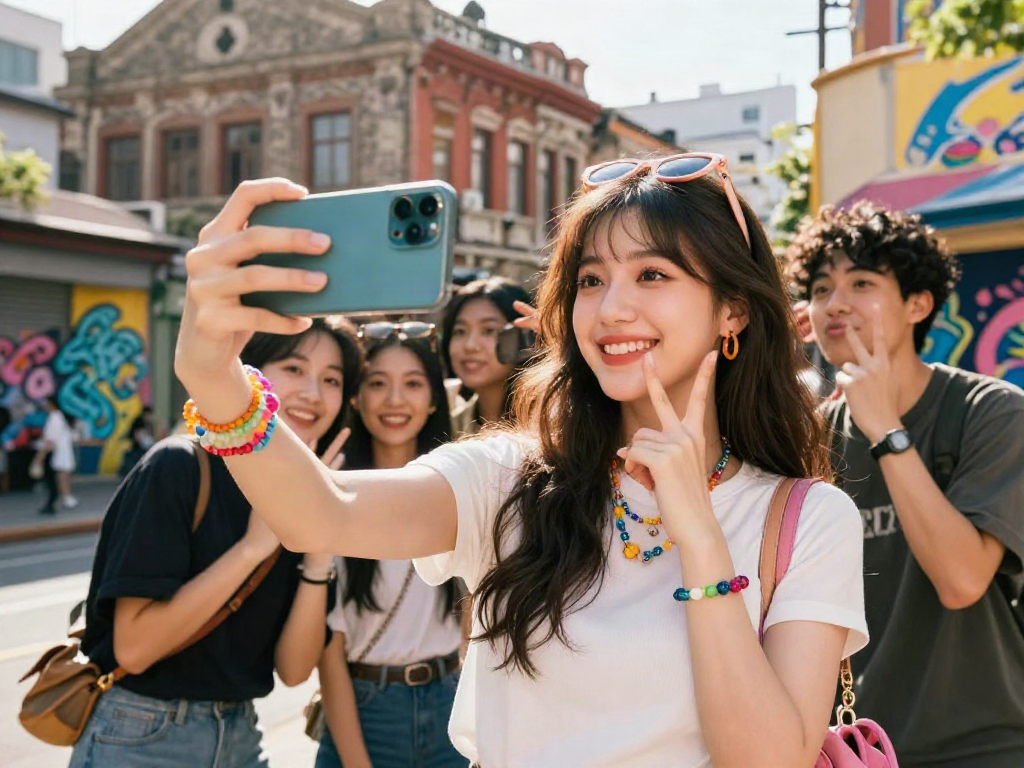
Understanding the Test of Attractiveness
The concept of evaluating physical appearance has evolved into a fascinating intersection of technology, psychology, and cultural studies. The test of attractiveness has gained popularity in recent years, fueled by advances in artificial intelligence and machine learning, which allow users to assess their facial features quickly and easily. But what exactly is this test, how does it function, and what can one expect when utilizing such tools? This article aims to demystify these questions by exploring the foundational elements of attractiveness assessments.
What is the test of attractiveness?
The test of attractiveness refers to various online tools and applications that analyze facial features to provide users with a score or rating of their physical attractiveness. These assessments often utilize algorithms based on empirical studies of human beauty, incorporating aspects of facial symmetry, proportions, and even specific aesthetic ratios, like the golden ratio. By interpreting images through these lenses, the tools aim to quantify what many perceive as subjective beauty.
How does it work and what to expect?
Most online attractiveness tests operate by requiring users to upload a photograph. The software then analyzes the image, detecting key facial landmarks to evaluate features such as symmetry, skin tone, and eye spacing. Depending on the test’s complexity, the result may present itself as a simple score (such as 1 to 10) or offer detailed feedback about specific facial characteristics that contribute to the overall rating. Users should approach these results with a critical mindset, as such tools have both strengths and limitations.
Common misconceptions about attractiveness tests
One prevailing misconception is that these tests provide an absolute measure of beauty. In truth, individual perception of attractiveness is influenced by numerous factors, including personal preferences and cultural norms. Furthermore, the algorithms behind these tests are often developed based on statistical averages, which means they do not account for every individual's uniqueness. Understanding these limitations is essential for users who might feel disheartened by their results.
The Science Behind Attractiveness
To truly appreciate the validity of attractiveness tests, it is vital to explore the scientific principles underpinning them. Various research studies have identified several key factors that influence the perception of beauty across diverse populations.
Key factors influencing attractiveness scores
Studies indicate that facial symmetry plays a significant role in perceived attractiveness. Symmetrical faces are often associated with genetic health and fertility. Other factors include distinctive features, such as prominent cheekbones, clear skin, and full lips. These traits vary by cultural standards, yet consistently, symmetrical faces tend to score higher in attractiveness tests.
The role of cultural differences in perceived beauty
Cultural influences profoundly impact our definitions of beauty. For instance, while some cultures may favor taller individuals, others might prioritize different body types or facial characteristics. It’s important to recognize that attractiveness is not a monolithic standard; rather, it is a tapestry woven from various societal ideals. This diversity can influence how accurately attractiveness tests reflect individual perceptions.
Importance of facial symmetry and features
Facial symmetry is often linked to health and genetic fitness, which fosters an instinctual attraction to balanced features. Additionally, certain characteristics, such as larger eyes and a smaller nose, are frequently deemed attractive across various cultures. This inherent bias towards symmetry and specific features is integral to the algorithms at play in many attractiveness tests, guiding how they assess and score images.
Assessing Your Attractiveness Online
With the rise of online beauty assessments, many individuals are eager to evaluate their attractiveness scores. However, navigating these platforms requires an informed approach to ensure meaningful results.
Step-by-step guide to taking an attractiveness test
- Choose a reputable online platform that offers attractiveness testing.
- Ensure proper lighting and background in your photograph for accurate analysis.
- Upload your image and follow any provided instructions.
- Review your score and accompanying feedback with an open mind.
Selecting the right platform for accurate results
Not all attractiveness tests are created equal. Some utilize more sophisticated algorithms and are grounded in psychological research, while others may rely on less rigorous methods. Researching user testimonials and comparing features can help identify a tool that offers a balance of accuracy and user experience.
Interpreting your score: What it really means
When you receive a score from an attractiveness test, it's essential to contextualize it within the wider spectrum of beauty standards. Recognizing that this score reflects a combination of statistical averages rather than an absolute judgment can help maintain a healthy perspective toward personal appearance.
Improving Your Attractiveness
While attractiveness scores can offer insights, many users are also interested in practical ways to enhance their physical appeal. Here, we explore actionable strategies for improvement.
Effective beauty tips and tricks for enhancement
- Skincare Routine: Adopting a consistent skincare regimen helps achieve healthier-looking skin, which can significantly impact attractiveness.
- Makeup Techniques: Strategic use of makeup can enhance facial features, drawing attention to the eyes or defining the cheekbones.
- Grooming: Regular haircuts and maintaining facial hair can improve overall presentation and confidence.
How lifestyle changes can impact attractiveness
Beyond topical enhancements, lifestyle choices play a pivotal role in attractiveness. Regular exercise contributes to physical fitness, while balanced nutrition can improve skin quality and overall vitality. Additionally, cultivating good posture and displaying confidence can project attractiveness beyond mere physical attributes.
Real-life examples of successful attractiveness makeovers
Many individuals have experienced transformative results through beauty makeovers, often highlighted in media. These cases serve as inspiration for others looking to enhance their appearance through small adjustments or significant lifestyle changes.
Future Trends in Attractiveness Testing
The field of attractiveness assessment is poised for rapid evolution, driven primarily by advancements in technology and changing societal norms.
What to expect in the next five years?
As technology continues to advance, we can anticipate increasingly sophisticated tools that incorporate deeper learning algorithms, enhancing the accuracy of attractiveness tests. Moreover, these tools may evolve to include emotional and psychological assessments, providing a more holistic evaluation of beauty.
The rise of AI in beauty assessments
Artificial intelligence is revolutionizing attractiveness testing by allowing for real-time analysis and personalized feedback. AI-driven platforms can learn from user input and preferences, offering tailored recommendations for improvements in beauty and confidence.
Ethical considerations in attractiveness evaluation
While measuring attractiveness can be fun and insightful, ethical considerations must be taken into account. Issues of body image and self-esteem can arise as individuals compare themselves to societal standards. Developers and users alike need to approach attractiveness tests with sensitivity, emphasizing that self-worth transcends numerical scores.
What are the most popular tests of attractiveness?
Among the most widely used tests are those that incorporate AI facial recognition technology, such as the Face Report and Pretty Scale. Each tool has its unique attributes, appealing to different user demographics and preferences.
Are attractiveness tests accurate?
Attractiveness tests can provide useful insights but are inherently limited by the quality of their algorithms and the subjective nature of beauty. Users should view results as one perspective among many rather than definitive judgments.
How can I use my attractiveness score to boost confidence?
Viewing your attractiveness score through a constructive lens can help enhance self-confidence. While scores can highlight areas for improvement, they can also serve as motivators for positive changes in lifestyle and self-care.
What factors influence my score?
Your score can be influenced by a myriad of factors, including facial symmetry, distinctive features, skin health, and even the angle and lighting of your photograph.
Can attractiveness tests be biased?
Yes, biases may arise from the parameters set by the algorithms, often reflecting societal standards that could undermine unique beauty traits. Acknowledging these biases is crucial for users to maintain a balanced view of their attractiveness.