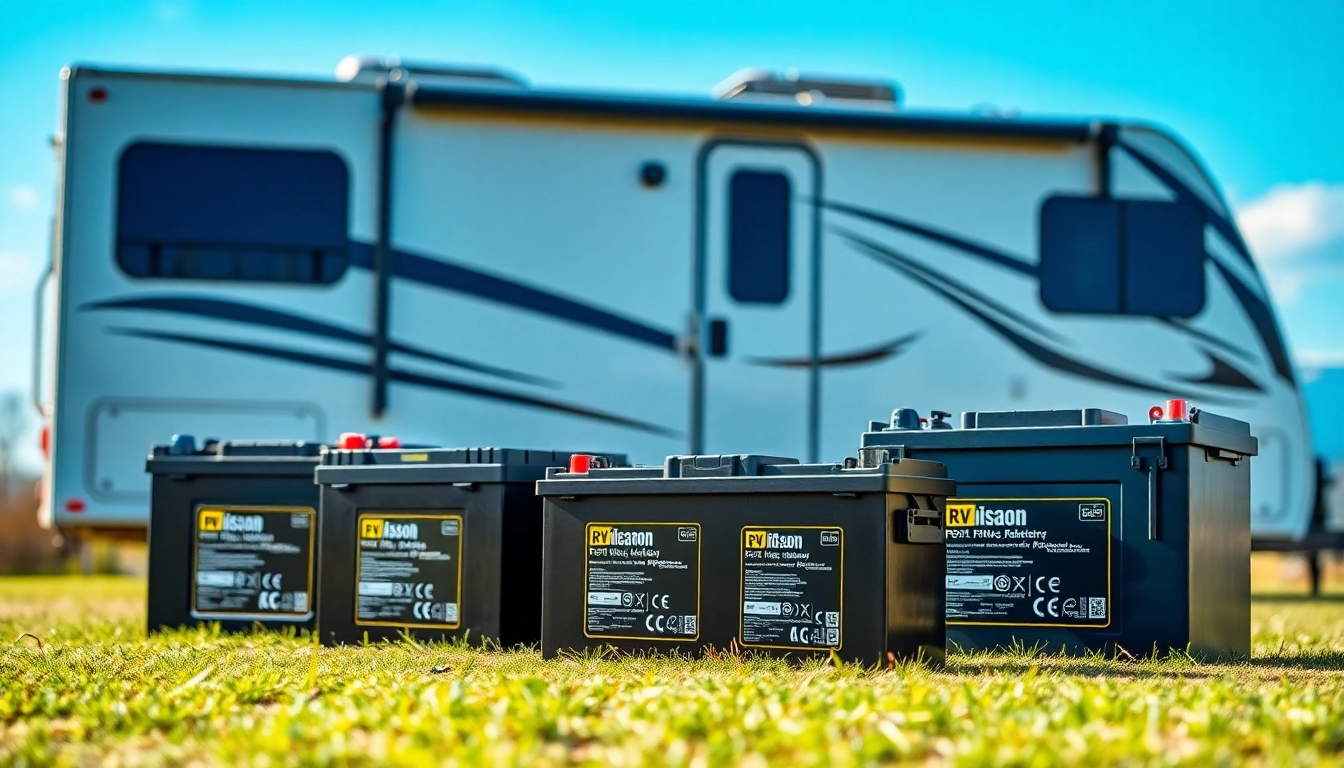
Understanding Lithium RV Batteries
In the world of recreational vehicles (RVs), reliable power sources are essential, especially for those who enjoy off-grid adventures. This is where lithium RV batteries demonstrate their superiority over traditional battery types. They have transformed the way RV owners think about energy storage, providing not just power but also longevity, efficiency, and safety.
What are Lithium RV Batteries?
Lithium RV batteries are advanced energy storage solutions that utilize lithium-ion or lithium iron phosphate (LiFePO4) technology to store and distribute electrical energy. Unlike conventional lead-acid batteries, lithium batteries have a higher energy density, enabling them to hold more power in a smaller footprint. This makes them an excellent choice for RV enthusiasts looking for lightweight and powerful battery systems capable of supporting a variety of appliances and devices.
How Lithium RV Batteries Work
At their core, lithium RV batteries operate on a different electrochemical principle than their lead-acid counterparts. They consist of multiple cells that use lithium ions to transfer energy from the anode to the cathode during discharging and vice versa during charging. This charge-discharge efficiency contributes to their longer lifespan and higher usable capacity, which is crucial for extended camping trips or off-grid living.
Advantages Over Traditional Batteries
The advantages of lithium RV batteries are numerous:
- Longer Lifespan: Lithium batteries can last 10-15 years, significantly surpassing lead-acid batteries that may only last 3-5 years.
- Higher Capacity: They maintain a higher percentage of charge through their lifecycle, meaning users can access more usable energy.
- Lightweight: Lithium batteries are lighter, making them easier to install and handle.
- Faster Charging: Lithium batteries charge faster than traditional batteries, allowing RV owners to quickly replenish their energy supply.
- Low Maintenance: They require less maintenance compared to lead-acid batteries which necessitate watering and monitoring.
Choosing the Right Lithium RV Batteries
With various options available, selecting the right lithium RV battery can be daunting. Here are key factors to consider when making your choice.
Factors to Consider Before Buying
Several important criteria to keep in mind include:
- Capacity: Determine your energy needs based on the devices and appliances you'll be using in your RV.
- Voltage: Ensure compatibility with your RV's electrical system. Most systems use 12V, while others may utilize 24V or 48V batteries.
- Size and Weight: Confirm that the battery's physical dimensions fit the intended space in your RV.
- Warranty: Look for batteries that come with a robust warranty, indicating manufacturer confidence in their product's longevity.
Understanding Battery Specifications
When comparing lithium RV batteries, familiarize yourself with common specifications:
- Ah Rating: Amp hours (Ah) indicates the amount of energy the battery can store. Higher Ah ratings equate to more capacity.
- Charging Cycles: Check the number of charge-discharge cycles the battery can withstand without significant performance degradation.
- Discharge Rate: Understanding how quickly a battery can release its stored power is vital, especially for power-intensive appliances.
- Lifespan: Choose batteries known for longer lifespans; look for those estimated to last at least 10 years.
Top Uses for Lithium RV Batteries
Lithium RV batteries are versatile and can power various devices and systems, including:
- Refrigerators: Keeping perishable goods fresh during long trips.
- Lights: Brightening your RV’s interior and exterior.
- Water Pumps: Ensuring a reliable water supply for showers and cooking.
- Heating and Cooling Systems: Maintaining a comfortable temperature regardless of the weather.
Installation and Maintenance of Lithium RV Batteries
Installing and maintaining Vatrer Power requires knowledge and care but offers substantial benefits compared to traditional systems.
Basic Installation Steps
To install a lithium RV battery, follow these steps:
- Gather Tools: Prepare necessary tools, including wrenches, screwdrivers, and safety gear.
- Disconnect Power: Ensure the RV is powered down, and disconnect the old battery.
- Mount the Battery: Securely mount the lithium battery in the designated compartment.
- Connect Wiring: Attach the positive and negative terminals, ensuring the correct polarity.
- Testing: Reconnect power and test the system to ensure proper functioning.
Essential Maintenance Tips
Proper maintenance can extend the lifespan of your lithium RV batteries. Here are some vital practices:
- Regular Inspections: Check for any corrosion or loose connections.
- Keep Clean: Maintain the battery terminals and connections free of grime.
- Avoid Deep Discharge: Frequently discharging below 20% can harm battery health.
Safety Precautions during Use
To ensure safety when using lithium RV batteries, abide by these precautions:
- Ventilation: Ensure the battery compartment has adequate airflow to prevent overheating.
- Correct Charging: Use a charger specifically designed for lithium batteries to avoid potential hazards.
- Regular Monitoring: Keep an eye on battery performance and charging levels to maintain optimal operation.
Understanding Costs and Value of Lithium RV Batteries
Investing in lithium RV batteries may seem costly upfront, but when considering long-term benefits, they often become the more economical choice.
Cost Comparison with Lead Acid Batteries
While the initial price of lithium RV batteries is typically higher than lead-acid counterparts, it’s essential to evaluate the overall value. Lithium batteries can cost several times more upfront, but they last significantly longer, often leading to reduced total lifetime ownership costs when factoring in replacement frequency, maintenance, and energy efficiency.
Long-term Benefits and Savings
Lithium batteries offer numerous long-term advantages:
- Efficiency: Their greater energy density means less frequent charging and more usable energy from each cycle, translating to better overall efficiency.
- Lifespan: They often last 2-3 times longer than lead-acid batteries, meaning fewer replacements over time.
- Performance: Consistent performance at various temperatures can save on maintenance and replacement costs.
Are They Worth the Investment?
Ultimately, the value of lithium RV batteries boils down to your specific usage patterns and needs. For those who frequently venture off the grid, the benefits of reliability, performance, and convenience make a compelling case for the upgrade.
Common Myths and FAQs about Lithium RV Batteries
Despite the advantages, several myths can cloud the perception of 12V 300Ah Lithium Battery. Let’s clear up some misconceptions:
Debunking Myths Surrounding Lithium RV Batteries
Common myths include:
- Myth 1: Lithium batteries are unsafe. Reality: When properly installed and maintained, they are quite safe.
- Myth 2: They cannot be used in cold weather. Reality: Most lithium batteries operate well in cold conditions with proper management.
- Myth 3: Charging takes too long. Reality: They typically charge faster than lead-acid batteries.
FAQs:
1. Are lithium batteries worth it for an RV?
Yes, they offer longer lifespan and more usable capacity, especially beneficial for frequent travelers.
2. How long will a 100Ah lithium battery run a 12V fridge?
A 100Ah lithium battery can generally run a fridge for 2-3.5 days, dependent on usage and efficiency.
3. Can lithium RV batteries be charged with solar?
Yes, they are highly compatible with solar systems, greatly enhancing off-grid capabilities.
4. What is the lifespan of lithium RV batteries?
On average, lithium RV batteries can last between 10 to 15 years, greatly outliving lead-acid batteries.
5. Do lithium RV batteries overheat?
While generally safe, ensuring proper ventilation during operation and charging is crucial to prevent overheating.