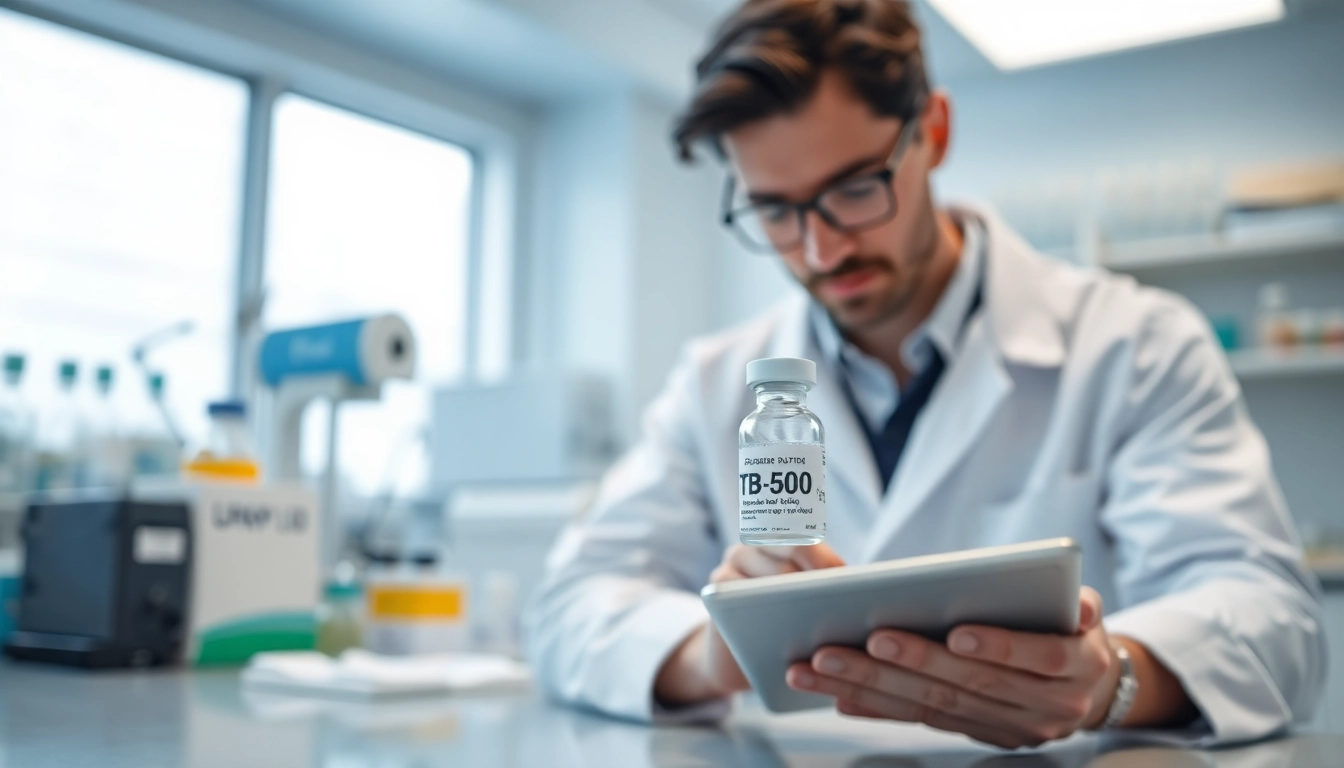
Understanding TB-500: What Makes It Unique?
TB-500, a synthetic derivative of the naturally occurring peptide Thymosin Beta-4, is gaining traction in the realm of peptide research. This peptide plays a crucial role in wound healing and tissue repair, making it an essential subject for scientific inquiry. A key question among researchers is how much is a tb, which directly correlates with its accessibility for studies.
Composition and Functionality
TB-500 consists of a chain of 43 amino acids. Its primary functionality revolves around promoting cellular migration, a process that enables the body to heal injured areas more effectively. This particular peptide has been noted for its ability to influence actin, a protein that plays vital roles in cellular movement and structure. Increased levels of actin can lead to more effective tissue regeneration, a factor that makes TB-500 a significant molecule in regenerative medicine.
Mechanisms of Action
The mechanisms of action attributed to TB-500 are diverse and multi-faceted. Primarily, TB-500 exerts its effects through the modulation of several key proteins in the healing process. One significant protein influenced by TB-500 is the vascular endothelial growth factor (VEGF), which is crucial for angiogenesis—the formation of new blood vessels. This process is vital for supplying oxygen and nutrients to healing tissue. By stimulating VEGF, TB-500 can enhance blood flow to an injured area, thereby expediting the healing process. Additionally, TB-500 has been shown to exhibit anti-inflammatory properties, further supporting tissue recovery.
Potential Benefits in Research
Research into TB-500 extends beyond merely understanding its biochemical pathways. Its potential applications in various fields—such as sports medicine, orthopedics, and even dermatology—are noteworthy. Early studies suggest that TB-500 may not only facilitate rapid recovery from injuries but may also serve to improve overall athletic performance when used appropriately in a lab setting. Its emerging role in tissue regeneration signals a robust area for further clinical exploration, promising innovations in therapeutic treatments.
How to Properly Use TB-500 in Research?
To leverage the full potential of TB-500 in a research context, adherence to proper usage guidelines is essential. This entails understanding appropriate dosages, effective methods of administration, and necessary safety precautions.
Dosage Guidelines
When considering TB-500 for research, establishing the right dosage is crucial. Generally, research has suggested doses ranging from 2 to 10 mg per week, depending on the specific application and the subject's weight. It's advisable to begin with lower doses to assess initial reactions before incrementally increasing to higher amounts. Researchers must meticulously document dosages and outcomes to underline best practices and establish benchmarks for future studies.
Administration Methods
TB-500 can be administered through various methods, including subcutaneous and intramuscular injection. Subcutaneous injections tend to be favored due to their ease and mild discomfort. Researchers are encouraged to train in proper injection techniques to minimize risks and ensure accurate dosages. Furthermore, it is essential to maintain strict aseptic techniques to prevent infections during administration.
Safety Precautions
Safety precautions play a pivotal role in research utilizing TB-500. As with all peptides, potential side effects must be analyzed and mitigated. Researchers should monitor subjects for any adverse reactions, including allergic responses or infection at injection sites. Keeping an open line of communication for reporting side effects or unusual behaviors can improve the study's integrity and subjects' safety.
Comparative Analysis: TB-500 and Other Peptides
To fully appreciate TB-500's unique properties and potential, comparing it to other peptides within the same realm is vital.
Similarities with Other Research Peptides
TB-500 shares several similarities with other research peptides, particularly those focused on healing and recovery. Like BPC-157 and other growth factors, it contributes to tissue repair and regeneration. However, TB-500 distinguishes itself through its specific actions on cellular migration and angiogenesis, giving it a unique niche in peptide research.
Advantages Over Competitors
One of the main advantages of TB-500 compared to other peptides is its well-documented role in tissue recovery and inflammation reduction. While many peptides may promote healing, the targeted mechanisms of TB-500, particularly its interaction with actin, allow for more efficient and faster healing processes. This would be particularly beneficial in clinical applications where downtime associated with injuries is critical.
Long-Term Outlook
Looking ahead, the long-term outlook for TB-500 in research and therapeutic settings is promising. As studies continue to uncover its multitude of effects, TB-500 may emerge as a staple in regenerative medicine. Ongoing clinical trials and collaborative research initiatives will likely provide further insights into its broader applications and efficacy in treating various conditions.
Current Trends in Peptide Research
The landscape of peptide research is rapidly evolving, with TB-500 at the forefront of many discussions. Understanding current trends will enrich any researcher's knowledge base and application strategies.
Recent Studies on TB-500
Recent studies have been instrumental in highlighting TB-500's efficacy in diverse fields. For instance, research suggests its potential in treating joint pain and promoting muscle recovery in athletes. Comprehensive clinical trials are ongoing, offering promising results that point towards TB-500’s place in therapeutic protocols for both acute and chronic conditions.
Future Directions
Future research directions for TB-500 may focus on isolating its mechanisms at a molecular level, enabling targeted therapies for specific conditions. By understanding how TB-500 interacts with various cellular structures, researchers may discover novel ways to use it therapeutically, enhancing its application in medicine.
Collaboration in Scientific Communities
To maximize the impact and breadth of findings from TB-500 studies, collaboration among scientific communities is crucial. Sharing data and insights across labs can expedite the recognition of best practices and innovative applications. To this end, webinars, symposiums, and joint publications serve as platforms for these collaborations, fostering a robust discussion around peptide research.
FAQs on TB-500
What is TB-500 primarily used for?
TB-500 is mainly used in research settings for its potential in promoting healing and tissue repair, particularly in sports medicine and regenerative studies.
Are there any side effects associated with TB-500?
Side effects can include injection site reactions, allergic responses, and potential influences on the immune system. Monitoring is essential during research.
How is TB-500 administered in a lab setting?
TB-500 is typically administered through subcutaneous or intramuscular injections, with strict adherence to aseptic techniques required for safety.
What kind of results can be expected from TB-500 research?
Expected results may include enhanced healing rates, reduced inflammation, and improved performance metrics among subjects, especially athletes.
Where can I find reliable sources for TB-500?
Reliable sources for TB-500 research and information can be found in peer-reviewed journals, scientific publications, and established health and research institutions.