Understanding the Minimalist Budget Travel Philosophy
Defining Minimalism in Travel
Minimalism in travel is a philosophy that emphasizes simplicity, intentionality, and a focus on experiences rather than possessions. It encourages travelers to strip away the non-essential elements of travel, allowing them to immerse themselves fully in the journey. This approach not only reduces the stress associated with travel but also fosters a deeper appreciation for the places visited and the experiences had.
Core Principles of Budget Travel
Budget travel revolves around the idea of exploring new destinations without breaking the bank. The core principles include:
- Affordability: Seeking out cost-effective options for transportation, accommodation, and activities.
- Flexibility: Being open to spontaneous decisions that can lead to savings and unique experiences.
- Resourcefulness: Finding creative ways to enjoy travel without spending excessively, such as utilizing public transport or cooking meals.
- Conscious Spending: Prioritizing expenditures on experiences that truly enrich the journey rather than material goods.
How Minimalism Enhances Travel Experiences
Adopting a minimalist mindset while traveling can significantly enhance the overall experience. By focusing on meaningful interactions and authentic experiences rather than accumulating souvenirs, travelers are more likely to foster connections with locals and engage in cultural exchanges. For example, a minimalist traveler may choose to spend an afternoon volunteering at a local charity rather than shopping for trinkets. This not only enriches their perspective but also contributes positively to the destination.
Planning Your Minimalist Budget Trip
Choosing Destinations with Minimalist Values
When planning a minimalist budget trip, selecting destinations that resonate with minimalist values is crucial. Look for places that promote sustainable tourism, local culture, and immersive experiences. For instance, countries like Bulgaria or Portugal offer rich histories, beautiful landscapes, and affordable options for budget travelers. Cities like Lisbon and Sofia provide ample opportunities for exploration without the high price tags associated with more tourist-heavy destinations.
Creating a Flexible Itinerary
A minimalist approach to travel includes creating a flexible itinerary that allows for spontaneity. Instead of a rigid schedule packed with activities, consider a loose framework that highlights a few key experiences or sights. For example, if you're traveling to Barcelona, plan to visit the famous Sagrada Familia and Park Güell but leave open time to wander through the Gothic Quarter or relax at the beach. This flexibility can lead to unexpected adventures and discoveries.
Budgeting Essentials: What to Include
When budgeting for a minimalist trip, it is essential to consider the following expenses:
- Transportation: Research affordable options such as buses or trains. Websites like Skyscanner can help find the best flight deals.
- Accommodation: Look for hostels, guesthouses, or even camping options to save money.
- Food: Plan for meals by shopping at local markets or cooking your own meals when possible.
- Activities: Prioritize free or low-cost activities like hiking, walking tours, or visiting public parks.
Packing Light: The Minimalist Approach
Essential Items for Budget Travelers
Packing light is a cornerstone of minimalist travel. The goal is to bring only what you need while ensuring you have essentials that enhance your travel experience. Key items include:
- Versatile Clothing: Pack clothing that can be layered and mixed and matched. Think about packing items that dry quickly and don’t wrinkle easily, like merino wool or synthetic fabrics.
- Travel-sized Toiletries: Use refillable containers for shampoo, conditioner, and body wash to save space and comply with airline regulations.
- Technology: A smartphone can replace multiple gadgets like a camera, GPS, and even a book, reducing the overall weight of your pack.
Strategies for Packing Efficiently
To maximize space and minimize weight, consider the following packing strategies:
- Use Packing Cubes: These help organize clothing and make it easy to find items without unpacking everything.
- Roll Your Clothes: Rolling instead of folding can save space and reduce wrinkles.
- Limit Footwear: Bring one pair of comfortable walking shoes and one pair for evenings or special occasions.
Choosing Multi-Functional Gear
Investing in multi-functional gear can save space and reduce costs. For example:
- Convertible Pants: Pants that can be zipped off into shorts are ideal for different climates.
- Travel Towels: Quick-dry towels that can be used for various purposes, from drying off after a swim to picnicking.
- Portable Chargers: A power bank that can charge multiple devices can reduce the need for various chargers and cords.
Living Like a Local: Embracing Minimalism on the Road
Finding Affordable Accommodations
To fully embrace a minimalist budget travel philosophy, consider various accommodation options that promote local engagement. Some popular choices include:
- Hostels: Often cheaper than hotels, hostels also provide opportunities for meeting fellow travelers.
- Couchsurfing: This platform allows you to stay with locals for free, providing a unique cultural experience.
- Airbnb: Look for budget-friendly listings that offer entire homes or private rooms, giving you the chance to live like a local.
Eating Well on a Budget
Food is often one of the biggest expenses while traveling, but there are many ways to eat well on a budget:
- Cook Your Own Meals: If your accommodation has kitchen facilities, shop at local markets and prepare your own meals. This not only saves money but also allows you to try local ingredients.
- Street Food: Exploring street food options can be a delicious and inexpensive way to experience local cuisine. For example, in Thailand, a meal from a street vendor can cost as little as $1.
- Lunch Specials: Take advantage of lunch specials at restaurants, which are often significantly cheaper than dinner prices.
Engaging in Free or Low-Cost Activities
Immerse yourself in the local culture without spending much by participating in free or low-cost activities. Some suggestions include:
- Walking Tours: Many cities offer free walking tours where you can learn about the local history and culture. It’s also a great way to meet other travelers.
- Public Parks and Beaches: Spend a day at a local park or beach to relax and enjoy the natural beauty of your destination.
- Cultural Events: Check community calendars for free festivals, concerts, or events that can provide insight into local life.
Maintaining a Minimalist Mindset During Travel
Overcoming Consumerism in Travel
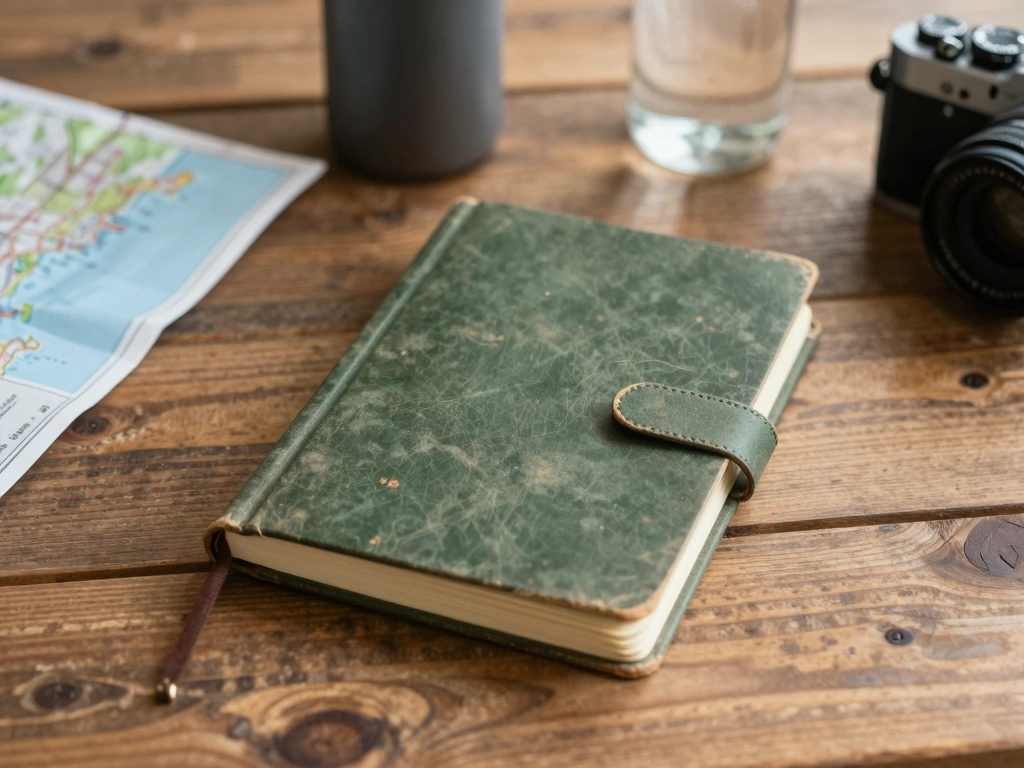
In a world where consumerism often dictates travel experiences, adopting a minimalist mindset can be challenging. Acknowledge that the best experiences come from meaningful interactions rather than material possessions. Resist the urge to buy souvenirs that will ultimately gather dust at home. Instead, consider documenting your travels through photography or journaling, which can provide lasting memories without the clutter.
Practicing Mindfulness and Presence
Being present during your travel experiences fosters a deeper connection to your surroundings. Mindfulness can be practiced through:
- Savoring Moments: Take time to pause and truly enjoy a sunset, a local meal, or a conversation with a stranger.
- Disconnecting: Limit your screen time and social media usage to fully immerse yourself in your travel experience.
- Reflection: At the end of each day, reflect on the moments that brought you joy or insight, rather than what you purchased or consumed.
Reflecting on Experiences over Material Goods
Ultimately, the minimalist budget travel philosophy is about valuing experiences over possessions. Take time to reflect on the personal growth and memories you've gained from your journey. For instance, instead of buying a t-shirt from a tourist shop, consider the conversation you had with a local artisan or the lessons you learned from navigating a foreign city. These experiences will resonate far longer than any physical item ever could.