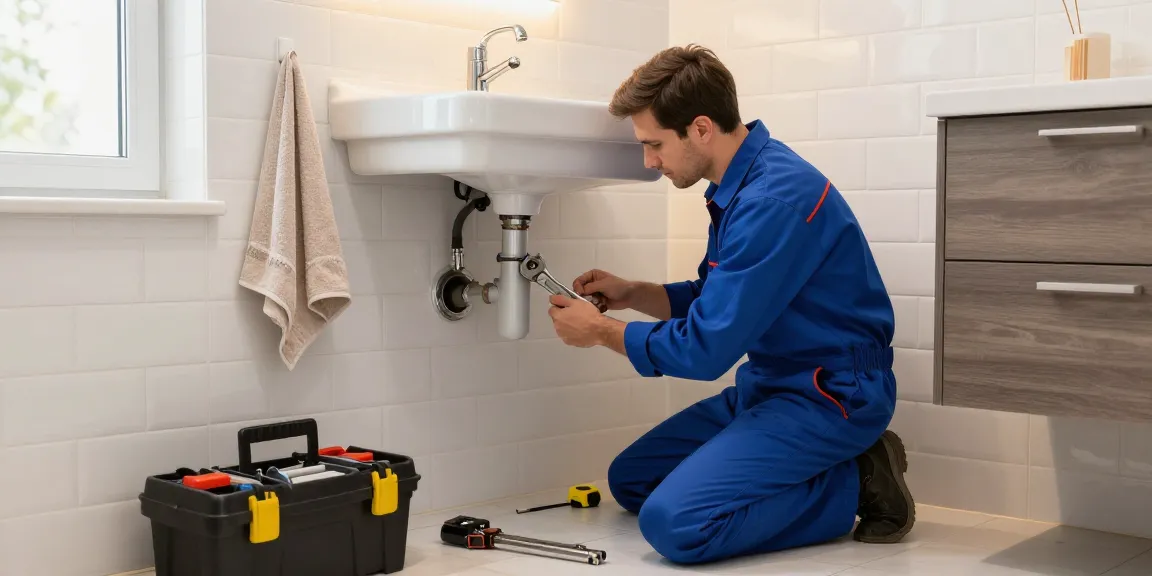
Understanding Common Plumbing Issues
Plumbing is a crucial aspect of any home or commercial building. Understanding the common plumbing issues can save you money and stress in the long run. Whether it's a leaky faucet, a clogged drain, or inconsistent water pressure, identifying the problem early can prevent more serious issues from developing. In this comprehensive guide, we will explore frequent plumbing problems, the signs that indicate you might need professional help, and essential aspects of your plumbing system. If you're keen to address these issues correctly, find out more about trusted plumbing services that can assist you.
What Are the Most Frequent Plumbing Problems?
Many households face identical plumbing issues that can result in significant inconvenience and damage if not addressed promptly. Here are some of the most common problems:
- Leaky Faucets: This seemingly minor issue can waste gallons of water annually and increase your utility bills.
- Clogged Drains: Whether caused by hair, grease, or soap buildup, clogged drains can lead to unpleasant odors and slow drainage.
- Running Toilets: If your toilet runs continuously, it could signal a worn flapper or other internal issues, wasting water constantly.
- Low Water Pressure: This might be due to mineral buildup in pipes, leaks, or even issues with the water supply.
- Water Heater Problems: Common issues include inconsistent temperatures, leaks, or strange noises, which can indicate that your water heater requires maintenance or replacement.
Signs That Indicate You Need Plumbing Help
Recognizing the signs that you need to call in a plumbing expert can prevent minor issues from becoming major headaches. Common indicators include:
- Unusual Smells: Foul odors can indicate sewer problems or leaks.
- Water Stains: Discoloration on walls or ceilings may suggest hidden leaks.
- Frequent Clogs: If you're constantly unclogging drains, it may be time to consult a professional.
- High Water Bills: Unexpected increases in your water bill can signal leaks.
Understanding Your Plumbing System
Having a basic understanding of your plumbing system's layout and components can empower you as a homeowner. Key elements include:
- Pipes: Know what type of pipes are in your home (PVC, copper, etc.) and their age can indicate potential replacements or repairs.
- Water Heater: Be familiar with the type and age of your water heater, as this can affect your hot water supply.
- Shut-off Valves: Locate the main shut-off valve in case of an emergency.
Choosing the Right Plumbing Services
When it comes to plumbing services, making an informed decision can save you time, money, and frustration. Here is how to approach finding the right plumbing solution for your needs.
How to Find Out More About Trusted Plumbers
Finding a reliable plumber can be challenging, but doing thorough research can help. Here are practical steps:
- Read Reviews: Websites like Yelp and Google can provide customer feedback.
- Seek Recommendations: Ask friends or family for referrals based on their experiences.
- Check Credentials: Ensure the plumber is licensed and insured.
Evaluating Plumbing Service Options
Once you have a list of potential plumbers, it's essential to evaluate them carefully:
- Request Quotes: Get detailed estimates from a few plumbing services to compare costs.
- Check Availability: Make sure they can meet your scheduling needs, especially for emergencies.
- Examine Experience: Look for plumbers with a proven track record in handling jobs similar to yours.
Cost Factors in Plumbing Services
The cost of plumbing services can vary widely based on several factors:
- Type of Service: Emergency repairs may cost more than routine maintenance.
- Location: Prices can fluctuate based on your geographical area and local market conditions.
- Complexity: More complicated plumbing issues will naturally require more time and resources, raising costs.
DIY Plumbing: When You Can Do It Yourself
While some plumbing issues require professional intervention, others can be tackled by savvy homeowners. Knowing when to DIY can save both time and money.
Simple Repairs You Can Tackle
Here are easy plumbing repairs you might consider doing yourself:
- Changing a Faucet Washer: This common fix can resolve leaky faucets.
- Unclogging Drains: Using a plunger or a snake can clear simple clogs.
- Fixing Running Toilets: Replacing a flapper is often a straightforward repair.
Tools Every Homeowner Should Have
Equipping yourself with essential tools can make small plumbing jobs manageable:
- Plunger: A must-have for clogged toilets and sinks.
- Pipe Wrench: Useful for tightening or loosening plumbing fixtures.
- Plumbing Snake: Ideal for clearing stubborn clogs.
When to Call a Professional
It’s important to know your limits when it comes to DIY plumbing:
- Complex Issues: If the job involves extensive repairs or installations, contact a professional.
- When in Doubt: If you're unsure about what you're dealing with, it’s safer to call a plumber.
Preventative Plumbing Maintenance Strategies
To avoid plumbing emergencies, proactive maintenance is key. Implementing effective strategies can extend the life of your plumbing system.
Prevent Common Plumbing Failures
Routine maintenance helps ensure your plumbing system operates smoothly:
- Regular Inspections: Schedule yearly inspections to catch potential issues early.
- Drain Cleaning: Having your drains cleaned periodically prevents build-up.
Seasonal Plumbing Checks You Should Perform
Adapting your maintenance routine to the seasons can protect your plumbing:
- Winter Preparations: Insulate pipes to prevent freezing and bursting.
- Summer Checks: Inspect hoses and irrigation systems as they see more use.
Innovative Solutions for Plumbing Maintenance
New technologies and methods can enhance your plumbing care:
- Camera Inspections: Use video technology to inspect pipes for clogs or leaks.
- Smart Water Sensors: Install sensors that alert you to leaks before they become significant problems.
Future Trends in Plumbing for 2026 and Beyond
As we look forward, plumbing will evolve with advancements in technology and sustainability. Awareness of these trends can keep you ahead.
Smart Plumbing Technologies to Find Out More About
The future of plumbing includes innovative technologies such as:
- Smart Toilets: Toilets with self-cleaning features and sensors for optimal use.
- Sensors and Automation: Technology that monitors water usage and alerts homeowners to leaks.
Sustainable Plumbing Practices
As environmental concerns grow, plumbing practices are becoming more sustainable:
- Water-Efficient Fixtures: Low-flow toilets and faucets that conserve water.
- Rainwater Harvesting Systems: Collecting rainwater for irrigation or other uses.
The Importance of Regular Inspections
Routine inspections will be critical to maintaining plumbing systems, preventing issues before they escalate:
- Professional Assessments: Regular visits from a plumber can identify problems early.
- Maintenance Records: Keeping logs of repairs and inspections helps track the health of your plumbing system.
What Should I Do if I Have a Plumbing Emergency?
In the event of a plumbing emergency, follow these steps:
- Shut Off the Water: Immediately turn off the main water supply to prevent flooding.
- Assess the Situation: Determine the cause, whether it’s a broken pipe or a clogged drain.
- Call a Professional: Contact a plumber for urgent assistance.
How Can I Spot a Reliable Plumber?
Look for these indicators to help identify trustworthy plumbing services:
- Licensing and Insurance: Verify they are properly licensed and carry liability insurance.
- Transparency: A good plumber provides clear estimates and answers all your questions.
- Experience: Consider their reputation and years of service in the industry.
What Are Some Tips for Preventing Plumbing Repairs?
Prevention is better than cure; here’s how to reduce repairs:
- Regular Maintenance: Schedule periodic inspections and cleanings.
- Mindful Usage: Avoid disposing of inappropriate materials in sinks and toilets.
How Often Should I Schedule Plumbing Maintenance?
As a rule of thumb, it’s beneficial to have plumbing systems inspected at least once a year. However, more frequent checks may be necessary depending on the age and condition of your plumbing.
What Makes a Plumbing Service Trustworthy?
Trustworthy plumbing services exhibit specific traits, such as:
- Positive Customer Feedback: Consistent good reviews indicate reliability.
- Professional Conduct: Responsiveness, punctuality, and a professional demeanor are essential.