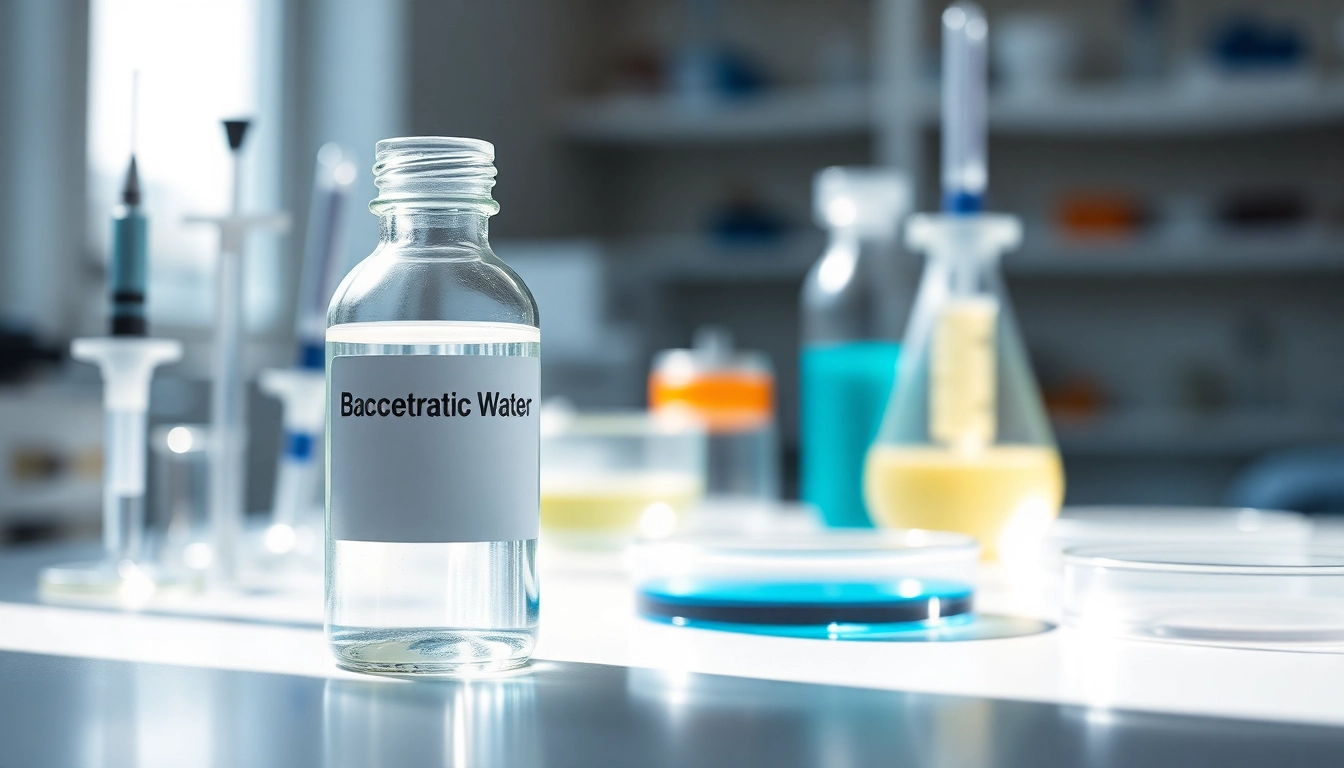
The Importance of Bacteriostatic Solutions in Research
Understanding Bacteriostatic Water
Bacteriostatic water is a sterile water solution that contains a bacteriostatic agent, typically benzyl alcohol. It is utilized primarily in the dilution and formulation of drugs for injection. The presence of the bacteriostatic agent helps to inhibit the growth of bacteria, thereby extending the product's shelf life and ensuring that it remains suitable for use in various biomedical and pharmacological applications. To ensure effective research outcomes, understanding the role of hospira bacteriostatic water is crucial for the preparation and handling of peptides, which are sensitive to environmental conditions.
Applications in Research
Bacteriostatic water finds numerous applications in scientific research, particularly in the fields of pharmaceuticals and peptide studies. It is primarily used for reconstituting and diluting medications, thus ensuring the stability of active ingredients during experiments or clinical trials. Researchers often rely on bacteriostatic water for preparing solutions that need controlled environments to prevent microbial contamination.
Additionally, because of the extensive use of peptides in therapeutic applications, bacteriostatic water serves as a critical carrier solution that maintains potency and efficacy. Without proper preparation using suitable reagents such as this type of water, the results in peptide research could be significantly compromised.
Choosing the Right Product
When selecting a bacteriostatic water solution, researchers must consider several factors to ensure compliance with their experimental requirements. Key considerations may include:
- Quality and Purity: The product should be free from contaminants and adhere to proper sterility standards.
- Benzyl Alcohol Concentration: Different applications may require varying concentrations; understanding these needs can avoid adverse effects on peptide stability.
- Source and Manufacturer Reputation: Opt for reputable suppliers known for high-quality laboratory products.
Prioritizing these factors can facilitate smoother laboratory operations and result in more reliable outcomes in research findings.
Peptide Research Fundamentals
What are Research Peptides?
Research peptides are short chains of amino acids that serve as the building blocks for proteins. They play a vital role in various biological functions, including hormone production, cell signaling, and immune responses. In a laboratory context, peptides are studied for their potential in medical therapies and treatments. The versatility of peptides allows researchers to explore various avenues, from targeted cancer therapies to anti-inflammatory agents.
Peptide Synthesis Techniques
There are several techniques for peptide synthesis, each offering unique advantages and challenges. The most common methods include:
- Solid-phase synthesis: Peptides are built on a solid support, allowing for easier purification and isolation of the final product.
- Liquid-phase synthesis: A more traditional method where peptides are synthesized in solution, often requiring longer reaction times.
- Recombinant DNA technology: This technique utilizes living organisms to produce specific peptides, allowing for post-translational modifications.
Understanding these methods enables researchers to select the appropriate approach for their specific peptide applications, ensuring higher yields and functional effectiveness.
Safety Protocols in Handling Peptides
Working with peptides necessitates strict adherence to safety protocols to prevent contamination and ensure laboratory personnel safety. Essential safety guidelines include:
- Use of Personal Protective Equipment (PPE): Gloves, lab coats, and safety goggles should be worn at all times.
- Proper Storage Conditions: Peptides should be stored under recommended temperature and humidity conditions to maintain stability.
- Disposal Procedures: Implement strict disposal protocols for any materials that come into contact with peptides to prevent environmental contamination.
By applying these safety measures, researchers not only protect themselves but also enhance the reliability and integrity of their results.
Factors Influencing Research Outcomes
Impact of Carrier Solutions
The choice of carrier solution significantly influences the outcome of peptide research. The properties of the carrier, including pH, osmolarity, and ionic strength, can affect peptide solubility, stability, and bioavailability. For example, using a carrier like hospira bacteriostatic water ensures that peptides maintain their integrity over extended periods, preventing degradation that often leads to unreliable results.
Storage and Stability Considerations
Peptides are highly sensitive to environmental factors such as temperature, light, and humidity. Researchers must assess storage conditions to minimize degradation and maximize the efficacy of the peptides. Common practices include using dark and cool storage environments and discussing stability protocols in research publications to ensure that findings can be reliably replicated.
Regulatory Compliance for Researchers
Compliance with regulatory standards is essential for researchers in the peptide field. This includes following Good Laboratory Practices (GLP) and adhering to institutional guidelines and federal regulations regarding the use of biological materials. Understanding these protocols can fast-track research approvals and enhance the credibility of findings in scientific communities.
Optimizing Results in Peptide Applications
Techniques for Effective Use
To optimize the effectiveness of peptides in research, particular attention must be paid to techniques used in their application. Strategies include ensuring adequate dosage, considering administration routes, and timing. For instance, in pharmacokinetic studies, precise timing between dosage and sampling can lead to better representations of peptide behavior in biological systems.
Assessment of Results
Accurate assessment of research outcomes is paramount for validating findings. Researchers commonly use techniques such as High-Performance Liquid Chromatography (HPLC) or mass spectrometry to evaluate peptide purity and stability. Performing these assessments regularly can reveal insights into the performance of peptides during experiments, tailoring methodologies for improved results.
Common Challenges and Solutions
Peptide research is fraught with challenges that can impede progress. Some common issues include:
- Peptide Degradation: Utilize protective environments and appropriate storage solutions to minimize degradation risks.
- Solubility Issues: Experiment with various solvents, potentially including bacteriostatic water solutions, to enhance solubility.
- Inconsistent Results: Ensure strict adherence to protocols and regular calibration of equipment to maintain consistency.
Addressing these challenges proactively can lead to more robust findings and smooth research workflows.
Future Directions in Peptide Research
Innovations and Trends
Peptide research continues to evolve with advancements in biotechnology and materials science. Emerging trends include the incorporation of nanotechnology, which enhances drug delivery systems, and the exploration of peptide-based vaccines targeting various diseases. Staying informed on these innovations can pose significant advantages for researchers looking to remain at the forefront of biomedical advancements.
Collaborative Efforts in the Field
Collaboration among research institutions, universities, and industry has become integral to accelerating peptide research. By sharing resources, data, and expertise, stakeholders can innovate more efficiently and effectively. Establishing networks for collaborative research brings about opportunities for pooling knowledge and stimulating groundbreaking discoveries.
Potential for New Applications
As our understanding of peptide biology deepens, the potential applications continue to expand. Areas such as personalized medicine and regenerative therapies leverage peptides for customized treatments that align with individual patient profiles. The ongoing exploration in these fields promises to unlock new therapeutic benefits, cementing peptides as pivotal in future healthcare solutions.
FAQs
What is the shelf life of bacteriostatic water?
The shelf life of bacteriostatic water is typically around 28 days after opening, but it should be checked for signs of contamination before use.
Can bacteriostatic water be reused?
Reusing bacteriostatic water is generally not recommended due to the risk of contamination and reduced efficacy.
What are the benefits of using bacteriostatic water in studies?
Bacteriostatic water helps maintain peptide stability, reduces the risk of microbial growth, and extends the shelf life of preparations.
Is there a difference between bacteriostatic water and sterile water?
Yes, bacteriostatic water contains a bacteriostatic agent to prevent bacterial growth, while sterile water does not.
How should peptides be stored after reconstitution?
Peptides should be stored in a cool, dark environment, ideally at temperatures specified in their stability protocols, to enhance their longevity.