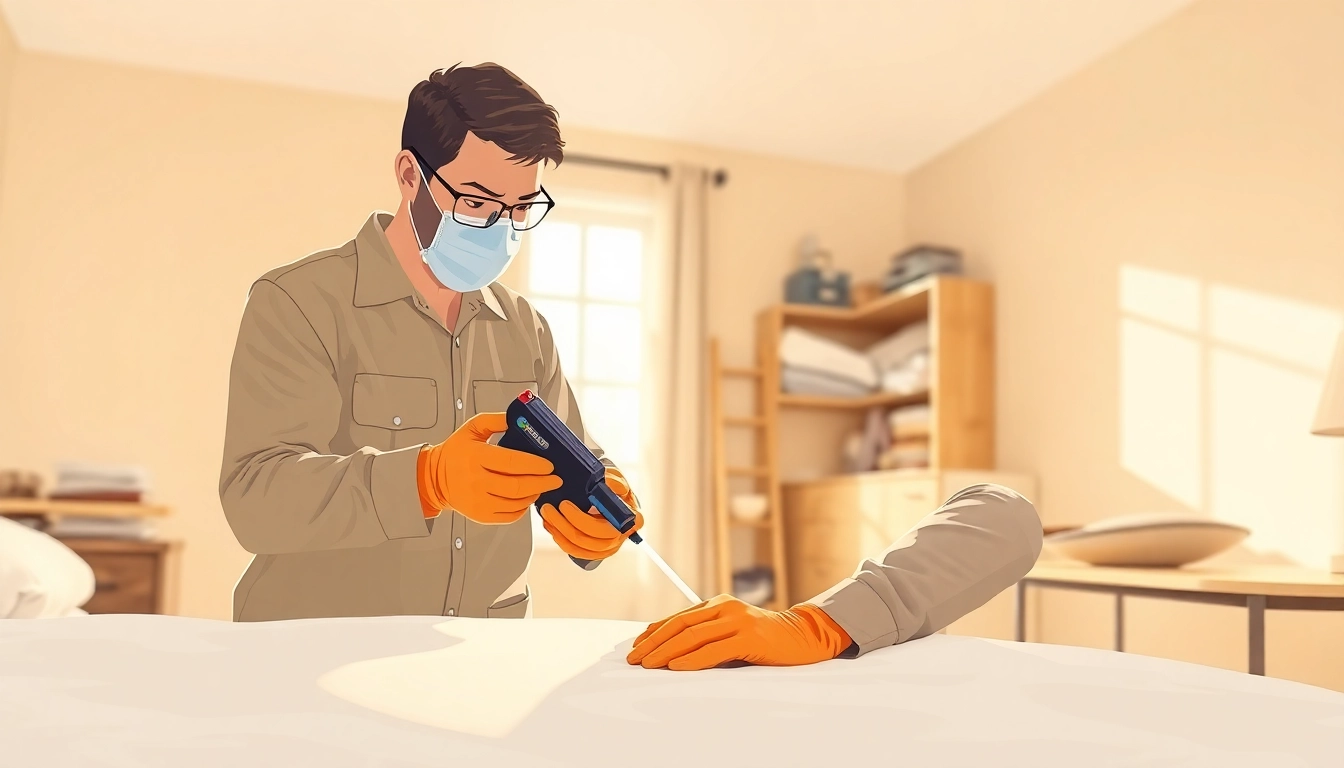
Understanding Bed Bugs: Identification and Behavior
What Are Bed Bugs?
Bed bugs are small, wingless insects that feed on the blood of humans and animals. Adult bed bugs are typically brown and range from 1 to 7 millimeters in length, resembling an apple seed. These pests do not fly but are adept at crawling and can often go unnoticed due to their small size. Understanding their biology is crucial for effective bed bug removal.
Signs of an Infestation
Detecting a bed bug infestation early can save you significant time and money. Look for:
- Blood Stains: Small, rust-colored stains on your sheets or mattresses can be indicators of bed bugs being crushed after feeding.
- Dark Spots: Fecal matter appears as tiny black dots on bedding or furniture.
- Eggs and Shells: Tiny, translucent eggs and shed skins can be found in crevices where bed bugs hide.
- Itchy Bites: Bed bug bites may appear as red, itchy welts, typically in clusters or lines on the skin.
Common Habitats of Bed Bugs
Bed bugs prefer to hide close to their food source—typically in bedding, mattresses, and bed frames. They can also inhabit furniture seams, cracks in the walls, and even electronics. Understanding their habitats can guide you toward more efficient eradication efforts.
Importance of Timely Bed Bug Removal
Health Risks Associated with Bed Bugs
While bed bugs are not known to transmit diseases, their bites can lead to severe skin irritations, allergic reactions, and secondary infections from scratching. The experience can also cause anxiety and sleeplessness, compounding health issues.
Cost Implications of Prolonged Infestation
Ignoring a bed bug problem can lead to increased costs. Treatment may escalate from simple home remedies to professional services as the infestation worsens. The longer you wait, the more you can expect to spend on treatments.
Emotional Impact of Bed Bug Presence
Beyond physical repercussions, dealing with bed bugs can be emotionally taxing. Individuals often experience anxiety, embarrassment, and annoyance, impacting mental well-being, particularly in shared living environments.
DIY Strategies for Bed Bug Removal
Preparation for DIY Treatment
Before attempting DIY bed bug removal, it’s essential to prepare adequately. Start by clearing the infested area of clutter, washing all bedding in hot water, and drying them on high heat. Vacuum the affected areas thoroughly to remove bed bugs and eggs.
Effective Home Remedies
Several DIY methods can help in initial bed bug removal efforts:
- Heat Treatment: Bed bugs die at temperatures above 120°F (49°C). Use a steam cleaner on mattresses and furniture.
- Diatomaceous Earth: This natural pesticide dehydrates bed bugs and is safe when used carefully. Sprinkle it in areas where bed bugs are suspected.
- Essential Oils: Certain oils like tea tree and lavender have been known to repel bed bugs. However, they may not eliminate an entire infestation.
Limitations of DIY Methods
While DIY methods can be effective for minor infestations, they may not eradicate a more significant problem. In many cases, bed bugs reproduce quickly, making it challenging to handle the situation without professional help. Treatment often requires multiple rounds to ensure all bed bugs at various life stages have been eradicated.
Professional Bed Bug Removal Services
Benefits of Hiring Experts
Engaging professional pest control services offers several advantages. Experts not only have access to high-quality pesticides and treatment options but also possess the knowledge to identify the full scope of the infestation. They provide peace of mind and can save you time in the long run.
What to Expect from Professional Services
When you hire a professional, expect an initial inspection followed by a tailored treatment plan. This may include a combination of chemical treatments and heat applications. Professionals often provide follow-up visits to ensure the effectiveness of the strategy and to monitor the situation.
Choosing the Right Exterminator
Selecting a reputable pest control service involves checking for certifications, reading reviews, and ensuring the company uses environmentally responsible practices. Cost is essential, but quality and effectiveness should be your top priority when selecting an exterminator.
Preventing Future Bed Bug Infestations
Preventive Measures at Home
To minimize the risk of future infestations, consider these preventative steps:
- Regular Cleaning: Vacuum and dust your home frequently, focusing on areas where bed bugs are likely to hide.
- Encasements: Use protective covers on mattresses and box springs to prevent bed bugs from entering or escaping.
- Careful Travel Practices: Inspect hotel rooms and keep luggage off the floor and bed to avoid bringing bed bugs home.
Monitoring for Early Signs
Establish routine checks for signs of bed bugs, including regular inspections of bedding and furniture. Early detection can lead to more manageable treatments and help avoid severe infestations.
Reporting and Community Awareness
Raise awareness in your community about bed bug prevention. Sharing knowledge can help ensure more people are vigilant, leading to fewer infestations overall. Encourage hotels, schools, and other shared spaces to implement strict monitoring protocols.
Frequently Asked Questions (FAQs)
What are the signs of bed bugs? Look for small reddish-brown bugs, dark spots on bedding, and itchy bite marks on your skin.
How can I treat bed bugs at home? You can start with vacuuming, washing linens in hot water, and using diatomaceous earth or steam treatment.
How much does professional bed bug removal cost? Costs can range from $200 to $1,500 based on factors like infestation severity and the size of the area.
Can I prevent bed bugs completely? While complete prevention isn’t possible, maintaining cleanliness and monitoring can significantly reduce risk.
How long does bed bug removal take? The process can take from a few days to several weeks, depending on infestation size and chosen treatment methods.