Introduction to Excavators
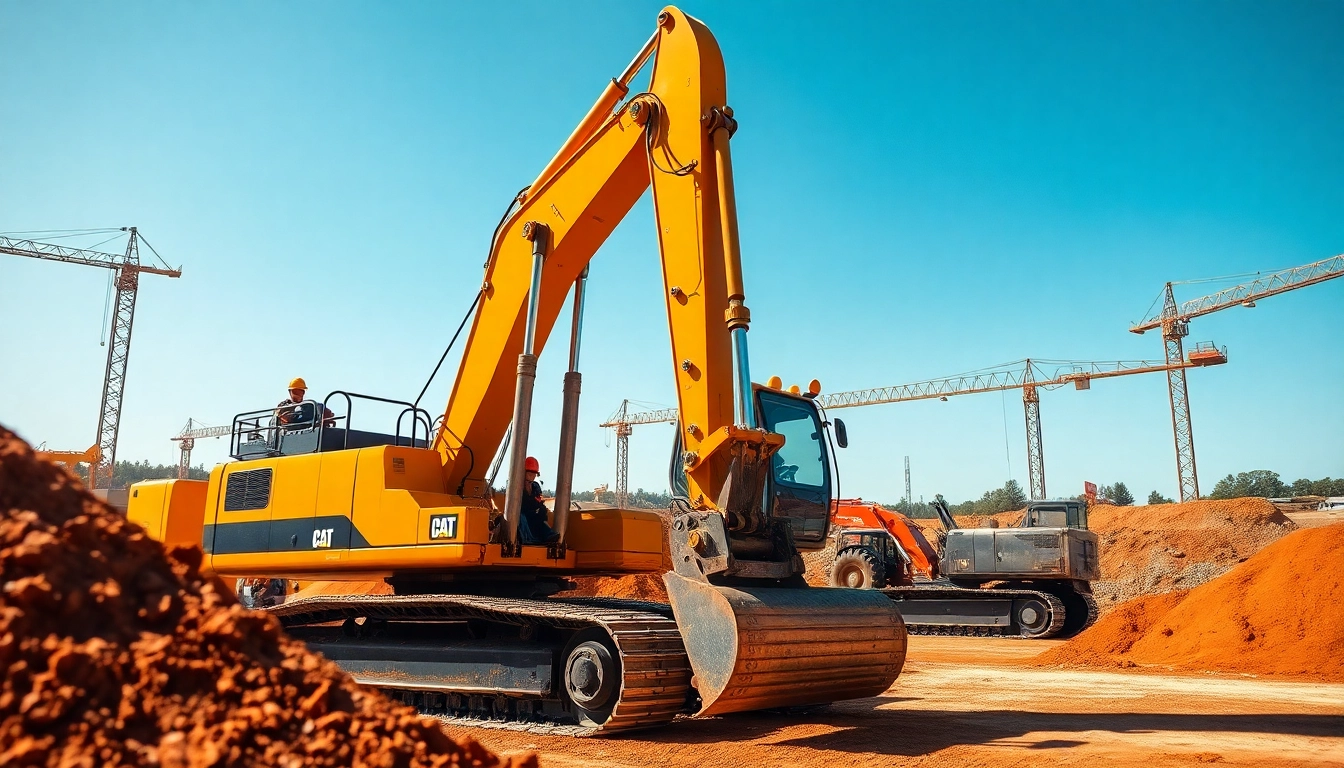
Excavators are integral to modern construction and heavy equipment industries, known for their ability to perform heavy-duty digging and lifting tasks. They consist of a boom, dipper, bucket, and cab mounted on a revolving platform termed the "house". The evolution of the excavator has made it a versatile machine, vital for various applications across multiple sectors. Understanding the functionality and varieties of excavators can greatly enhance operational efficiency and project success, particularly for those in search of an excavator.
What is an Excavator?
An excavator is a heavy construction equipment primarily used for digging, lifting, and moving large amounts of material. Typically, it consists of a boom, dipper, bucket, and a rotating house atop tracks or wheels. Modern excavators are designed to handle various tasks by incorporating attachments, which can alter their capabilities to suit different types of work, making them crucial for construction, mining, and landscaping industries.
History and Evolution of Excavators
The origins of excavators trace back to the 19th century with the advent of the steam-powered excavator. The first hydraulic excavator was introduced in the 1960s, paving the way for more robust and efficient models. Technological advancements have transformed excavators from basic digging tools into sophisticated machines equipped with hydraulic systems and electronic controls, improving precision and productivity. Today, excavators range from compact models suitable for tight spaces to massive machinery designed for extensive earth-moving operations.
Key Components of Excavator
Understanding the key components of an excavator is essential for effective operation and maintenance. The primary components include:
- Bucket: Used for digging and lifting materials.
- Boom: The long arm that extends from the house to increase reach.
- Dipper (or Arm): Connects the bucket to the boom and allows for deep digging.
- House: Contains the cab and engine, rotating to allow flexible movement.
- Tracks or Wheels: Provide mobility and stability on various terrains.
Types of Excavators
Different Designs and Their Uses
Excavators come in various designs, each tailored for specific functions. Key types include:
- Standard Excavators: Versatile and powerful, suitable for large construction site tasks.
- Mini Excavators: Compact and ideal for smaller jobs or tight spaces.
- Long Reach Excavators: Designed for digging deeper trenches or accessing hard-to-reach areas.
- Floating Excavators: Used in water bodies for dredging or environmental maintenance.
Comparison of Mini vs. Standard Excavators
When choosing between mini and standard excavators, it’s important to consider the scope of your project:
- Mini Excavators: Often weigh less than 10 tons and excel in confined areas; their smaller size makes them suitable for urban landscaping and small construction tasks.
- Standard Excavators: Ranging from 10 tons and above, they offer greater power and capabilities, making them ideal for heavy-duty construction, road work, and extensive excavation projects.
Choosing the Right Type of Excavator
Selecting the right excavator depends on the nature of the work to be executed. Consider the following factors:
- Project Size: Larger projects may require standard excavators for their power.
- Site Conditions: Narrow or uneven terrains may favor mini excavators for their maneuverability.
- Attachment Needs: Evaluate available attachments that can enhance productivity.
Common Applications of Excavators
Excavators in Construction Projects
In construction, excavators are primarily employed for digging foundations, trenches, and holes. Their ability to lift heavy materials contributes significantly to project timelines. Excavators can also be outfitted with hydraulic attachments for additional tasks such as demolition, material handling, and grading.
Landscaping and Excavators
Excavators play a crucial role in landscaping projects by enabling the excavation of soil and rock. They are utilized for creating ponds, removing old concrete, and shaping land for new landscaping features. Mini excavators are especially favored in residential settings due to their size and efficiency in performing detailed work.
Demolition and Excavator Roles
Excavators equipped with specialized attachments like hydraulic breakers or pulverizers are ideal for demolition tasks. They can efficiently dismantle structures, crush materials, and clear debris from sites, making them invaluable in both controlled demolitions and large-scale deconstruction projects.
Operating and Maintaining an Excavator
Excavator Operation Basics
Operating an excavator requires both practical training and an understanding of machinery dynamics. Key operational practices include:
- Pre-Operation Checks: Always conduct thorough inspections before use.
- Awareness: Stay mindful of surroundings, especially in busy work sites.
- Control Understanding: Familiarize yourself with joystick controls for precision in movement.
Maintenance Tips for Excavators
Ensuring your excavator operates efficiently involves regular maintenance practices:
- Daily Inspections: Check oil levels, hydraulic fluids, and wear on moving parts.
- Scheduled Servicing: Follow manufacturer guidelines for routine servicing to prevent breakdowns.
- Cleaning: Periodically clean the excavator to prevent dirt accumulation affecting performance.
Safety Protocols While Operating Excavators
Safety is paramount in excavator operation. Important protocols include:
- Wearing Personal Protective Equipment (PPE): Helmets, gloves, and visibility gear are essential.
- Training: Operators should undergo thorough training to understand risks and safe handling.
- Proper Signaling: Use clear communication with ground workers to avoid accidents.
Future of Excavators and Innovations
Technological Advancements in Excavators
The future of excavators is leaning heavily towards technology. Innovations such as GPS, machine learning, and telematics are shaping the future of excavation operations. These technologies enable improved accuracy, reduced fuel consumption, and enhanced project management by allowing real-time data access and decision-making.
Electric and Autonomous Excavators
With a growing emphasis on sustainability, the development of electric excavators is gaining traction. These machines produce lower emissions, making them suitable for urban environments. Additionally, autonomous excavators are being developed, capable of working without human intervention. They promise to enhance safety and efficiency by performing repetitive tasks and operating in hazardous environments.
Environmental Considerations for Excavators
As the construction industry shifts towards eco-friendliness, excavators are being designed to minimize environmental impact. This includes developing machines that use sustainable fuels, reducing noise pollution, and mitigating soil disruption during operation. Industry standards are increasingly focused on making operations environmentally viable, reflecting a growing commitment to sustainability.
Frequently Asked Questions
What are the main uses of an excavator?
Excavators are primarily used for digging, lifting, and moving large quantities of material in construction, landscaping, and demolition tasks.
What is the average cost of an excavator?
The cost of an excavator varies greatly, with mini excavators priced between $80,000 and $150,000 while larger models can cost from $100,000 to $500,000.
Can excavators work in water?
Yes, certain excavators are designed as floating excavators, which can operate effectively in water for dredging or maintaining waterways.
What qualifications do you need to operate an excavator?
Operators typically need to complete training programs and obtain certifications or licenses to operate excavators safely and efficiently.
How often should excavators be serviced?
Excavators should be serviced regularly according to the manufacturer's guidelines, often every 250 working hours, to maintain optimal performance and prevent breakdowns.
Contact Information
Call Us: 4062607988Address: 3906 MT-40, Columbia Falls, MT 59912