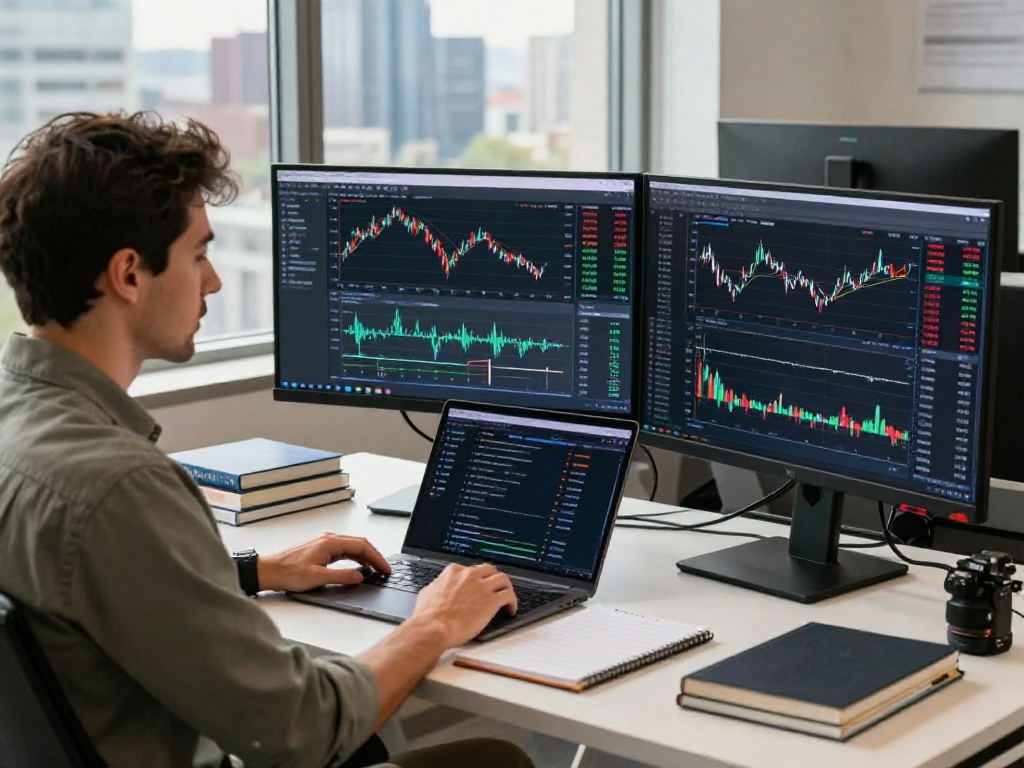
Understanding the 日経平均 リアルタイム API
In the evolving landscape of blockchain technology and cryptocurrency trading, the demand for instant access to financial data has never been more critical. The 日経平均 リアルタイム API is particularly notable for developers and research institutions looking to gain insights into global financial market indices. This API offers comprehensive, real-time data that is essential for building trading platforms and conducting quantitative analysis.
What is the 日経平均 リアルタイム API?
The 日経平均 リアルタイム API provides users with access to a vast array of real-time and historical financial market indices, including equity, commodity, bond, and volatility indices. This API facilitates the retrieval of depth data, making it a preferred choice for traders and researchers who rely on timely information for making informed investment decisions. Moreover, with over 300 real-time indices, developers can build applications that meet various trading and analytical needs.
Key Features and Benefits
- Comprehensive Coverage: Access to 300+ indices across multiple asset classes, enhancing diversification.
- Real-Time Data: Immediate updates via WebSocket and RESTful communications, which are essential for high-frequency trading.
- Historical Data: Analyze trends and develop strategies based on past performance.
- Intuitive Integration: Easily integrate with various platforms, making it user-friendly for developers.
- Robust Infrastructure: Maintains high uptime or availability, aiding in consistent performance monitoring.
How it Compares to Other Market Data APIs
When evaluating the 日経平均 リアルタイム API against its competitors, several aspects stand out. Unlike some APIs which may offer limited access or require hefty fees, this particular API provides a tiered pricing model that begins at $0/month for trial purposes. Additionally, many alternatives focus only on specific markets or require manual data aggregation, while the 日経平均 API delivers integrative data solutions directly to developers in real-time.
Core Technology Behind Real-Time Data APIs
The Importance of WebSocket vs. RESTful APIs
The technology choices underpinning APIs greatly influence their efficiency and user experience. WebSocket technology enables real-time, two-way communication, which is advantageous within financial contexts by providing instant updates. On the other hand, RESTful APIs allow for traditional request-response interactions, which may be adequate for historical data queries. The combination of both technologies ensures that users can leverage real-time data while also querying historical records as necessary.
Data Depth: Tick Data Versus Other Market Data
Tick data represents the most granular form of market data, capturing each transaction as it occurs. This ultra-granular data allows traders to identify powerful price movements and develop predictive models that can capitalize on micro-trends. In contrast, aggregate data points like minute or hourly averages may overlook critical fluctuations, potentially leading to missed opportunities. Therefore, the focus on tick data within the 日経平均 リアルタイム API positions it advantageously for sophisticated traders.
Ensuring Data Integrity and Security
Data integrity and security are paramount in cryptocurrency trading. The 日経平均 リアルタイム API employs robust encryption methods to ensure data remains intact during transmission. Additionally, regular security audits and compliance checks are vital to protect user data and prevent unauthorized access. With the rise of significant data breaches in recent years, these measures are essential for maintaining user trust in trading platforms utilizing this API.
Utilizing the 日経平均 リアルタイム API for Trading Strategies
Integrating with Trading Platforms
Incorporating the 日経平均 リアルタイム API into trading platforms allows developers to create sophisticated tools that can analyze market trends and automate trading strategies. For instance, high-frequency traders can leverage the API to execute trades at ideal prices almost instantaneously, optimizing their trading strategies with minimal risk. The seamless integration with existing infrastructure ensures that even legacy systems can harness the capabilities of real-time market data.
Best Practices for Algorithmic Trading
For algorithmic trading to be effective, certain best practices should be observed:
- Establish Clear Rules: Define the parameters under which trades are executed to minimize emotional decisions.
- Backtest Strategies: Use historical data to validate your trading algorithms before deploying them in real market situations.
- Risk Management: Implement strict risk management protocols, including stop-loss and take-profit strategies.
- Diversify Strategies: Employ multiple strategies to hedge against market volatility.
Case Studies of Successful Implementation
Several success stories demonstrate the effectiveness of APIs like the 日経平均 リアルタイム in producing tangible results. For instance, proprietary trading firms have utilized this data feed to enhance their algorithmic trading models, yielding higher than average returns during significant market events. Additionally, hedge funds leverage this API for risk assessment models, allowing them to protect their assets significantly during market downturns.
Security Considerations for Real-Time API Usage
Protecting Your Data and API Key
Security is a critical aspect of utilizing any financial API. Traders must implement rigorous practices for managing their API keys to prevent unauthorized use. Utilizing environment variables, integrating two-factor authentication, and regularly changing API keys are effective methods to enhance security against potential breaches.
Common Security Threats and Mitigation Strategies
Several common security threats face users of real-time APIs, including:
- Phishing Attacks: Educate users about recognizing suspicious communications.
- Malware: Regularly update systems and employ anti-malware tools to prevent infections.
- Unauthorized Access: Utilize multi-signature approaches for critical transactions to ensure additional verification layers.
- Contract Bugs: Perform regular audits on smart contracts interacting with APIs to identify and rectify vulnerabilities.
Best Practices for Safe Trading
For safe trading practices with the 日経平均 リアルタイム API, traders should adhere to the following standards:
- Secure Wallets: Use hardware wallets for storing cryptocurrencies to minimize risks associated with hot wallets.
- Regular Monitoring: Constantly review trading activity for unusual patterns that may indicate a breach.
- Educate Yourself: Familiarize yourself with common scams and safety measures to deter potential threats.
The Future of Financial Data APIs in 2026
Emerging Trends in API Use for Financial Markets
By 2026, it is anticipated that the demand for financial APIs like the 日経平均 リアルタイム API will continue to rise as decentralized finance (DeFi) popularity grows. Enhanced interconnectivity between traditional finance and DeFi, enabled through APIs, will result in new trading strategies and investment opportunities. The integration of artificial intelligence to analyze data sets and enhance decision-making capabilities will likely become standard practice among traders.
Regulatory Compliance and Data Accessibility
The regulatory landscape will undergo significant changes by 2026, particularly concerning data accessibility requirements. With institutions increasingly required to comply with regulations pertaining to data governance and consumer protection, APIs will play a pivotal role in ensuring compliance. Understanding the regulatory frameworks will be crucial for developers aiming to leverage APIs effectively while remaining compliant.
Innovative Features to Expect from Future APIs
Future iterations of financial APIs will likely feature enhanced analytics tools, machine learning capabilities, and predictive modeling functionalities. These innovations will empower traders by providing deeper insights and facilitating more informed strategic decisions. Furthermore, the integration of cross-chain capabilities will enhance interoperability between different blockchains, allowing for greater flexibility in trading and investment.